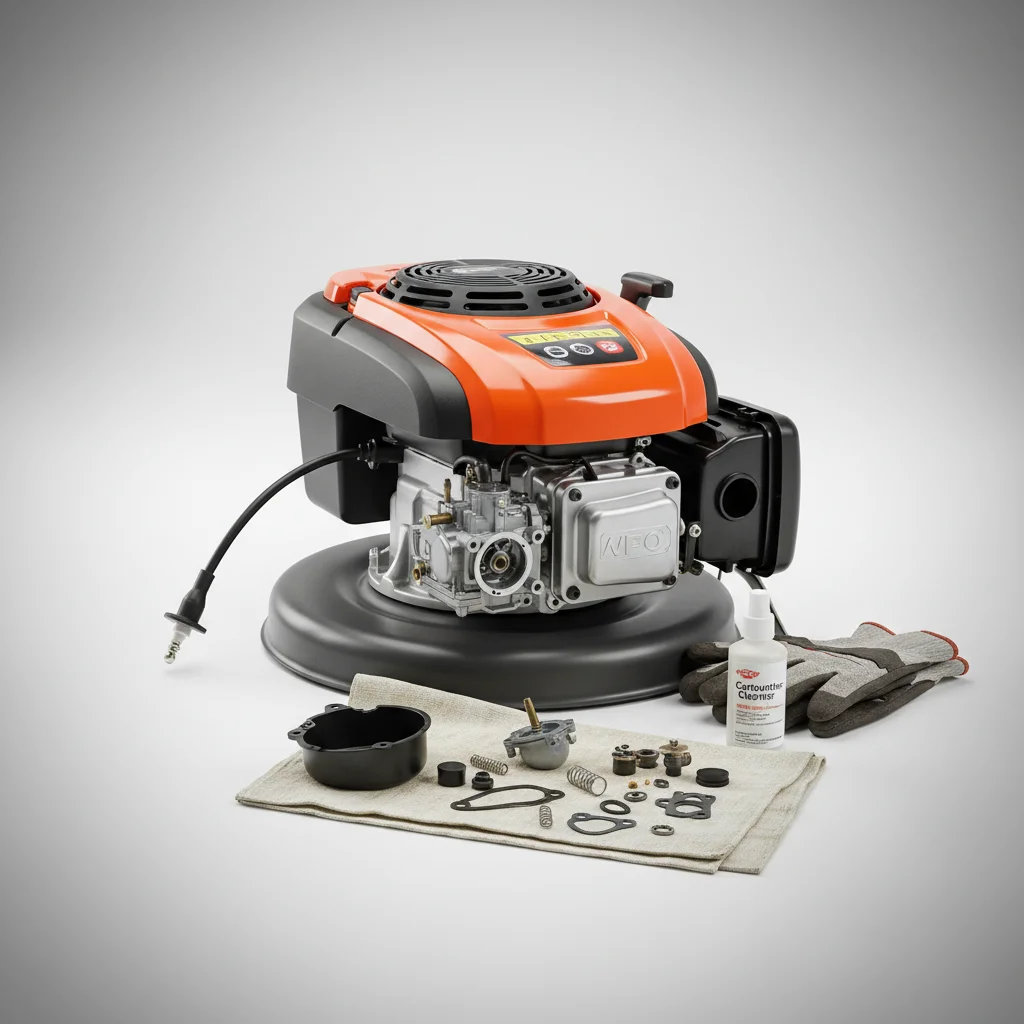
If your lawn mower won’t start, a clogged or faulty carburetor is a frequent culprit, accounting for roughly 50% of all starting issues. The carburetor is essential for mixing air and fuel, and when it malfunctions, your engine won’t get the proper mixture to ignite. Understanding the common carburetor problems can help you diagnose and fix the issue, getting your mower back in action quickly.
Clogged Fuel Jets
One of the most common carburetor problems is clogged fuel jets. Over time, fuel can leave behind deposits, especially if old or untreated gasoline is left in the tank. These deposits can block the tiny openings in the fuel jets, preventing fuel from reaching the engine. Symptoms include the engine cranking but not starting, or starting briefly and then dying. Regular use of a fuel stabilizer can help prevent these clogs, particularly during off-season storage.
Stuck Float or Needle Valve
Inside the carburetor, a float and needle valve regulate the amount of fuel entering the float bowl. If the float gets stuck, or the needle valve becomes corroded or sticky, it can lead to either too much or too little fuel. A stuck float can cause fuel to overflow, leading to a flooded engine, while a stuck needle valve can starve the engine of fuel. You might notice fuel leaking from the carburetor or the engine sputtering and dying due to improper fuel delivery.
Damaged Gaskets or O-Rings
|
Our Picks for the Best Lawn Mower in 2026
As an Amazon Associate I earn from qualifying purchases.
|
||
| Num | Product | Action |
|---|---|---|
| 1 | CRAFTSMAN Electric Push Lawn Mower, 20-Inch Deck, Corded, Powerful 13-AMP Motor, 6 Setting Height Adjustment, Winged Blades, 3 in 1 Bagging, Mulching and Discharge (CMEMW213) |

|
| 2 | Greenworks 24V 13" Brushless (Push) Cordless Lawn Mower, 4.0Ah Battery and Charger |
|
| 3 | LawnMaster MEB1216K Electric Lawn Mower 16-Inch 12AMP |
|
| 4 | LawnMaster MEB1114K Electric Corded Lawn Mower 15-Inch 11AMP |
|
| 5 | VEVOR Push Lawn Sweeper, 21inch Leaf & Grass Collector, Heavy Duty Thickened Steel Durable to Use with Large Capacity 3.5 cu. ft. Mesh Collection Hopper Bag, 2 Spinning Brushes |
|
| 6 | Litheli 20V 13" Cordless Lawn Mower, Electric Lawn Mowers for Garden, Yard and Farm, 5 Heights, with Brushless Motor, 4.0Ah Battery & Charger Included |
|
| 7 | Litheli 13.4inch Electric Lawn Mower Cordless,Grass Cutter Machine for 2600 Sq.Ft.Lawnmower with Brushless Motor, 8 Gallon Capacity, Cutting Height from 1 to 2.5 in, Includes 2X4.0 Ah Battery. |
|
| 8 | American Lawn Mower Company 50514 14" 11-Amp Corded Electric Lawn Mower, Black |
|
| 9 | Litheli 40V (2 x 20V) 16" Electric Lawn Mower Cordless, Brushless Lawnmower with 6-Height Adjust, Portable & Lightweight Push Battery Powered Lawn Mower (2 * 4.0AH Batteries Included) |
|
| 10 | Litheli Electric Lawn Mower Cordless,Grass Cutter Machine for 1300 Sq.Ft.Lawnmower with Motor,13.2 in Cutting Width,8 Gallon Capacity,Cutting Height from 1 to 2.5 in with 4.0A Battery |
|
The carburetor relies on a tight seal to maintain proper air-fuel mixture and prevent leaks. Damaged or worn-out gaskets and O-rings can compromise this seal, leading to air leaks or fuel leaks. Air leaks can lean out the fuel mixture, causing the engine to run rough or not start at all. Fuel leaks are not only a fire hazard but also indicate that the carburetor isn’t holding pressure correctly. Inspecting these seals during routine maintenance is crucial for preventing these issues.
Dirty or Contaminated Fuel Bowl
The fuel bowl at the bottom of the carburetor collects fuel before it’s drawn into the jets. If your fuel tank contains dirt, debris, or water, these contaminants will settle in the fuel bowl. A dirty fuel bowl can then feed these particles into the jets, causing clogs, or simply prevent clean fuel from reaching the engine. Draining and cleaning the fuel bowl periodically, especially if you suspect contaminated fuel, can resolve many starting problems.
Improper Carburetor Adjustment
While less common with modern mowers, older models or those that have been serviced might have an improperly adjusted carburetor. The air-fuel mixture screws control the ratio of air to fuel. If these are set incorrectly, the engine might run too rich (too much fuel) or too lean (too much air), preventing it from starting or running smoothly. Adjusting these screws typically requires specific knowledge and tools, often best left to a professional if you’re unsure.
- Always use fresh, clean gasoline.
- Add a fuel stabilizer before storing your mower.
- Clean or replace the air filter regularly.
- Inspect fuel lines for cracks or blockages.
- Consider a carburetor rebuild kit for extensive issues.
Addressing these common carburetor problems can significantly improve your lawn mower’s reliability and starting performance. For those looking for reliable replacement parts or a new carburetor, consider these options:
If you’ve tried these fixes and your mower still won’t start, it might be time to consult a professional or consider a new unit. For top-rated mowers known for their reliable starting systems, check out:
Get our weekly buyer guide
Practical specs, not advice. Unsubscribe anytime.
