Mulching leaves with a lawn mower is an eco-friendly and efficient solution for fall cleanup, returning vital nutrients to your soil and fostering a healthier lawn. This practice eliminates the need for bagging, reducing waste and providing natural fertilization. The top 5 lawn mowers for mulching leaves in Fall 2026 include the Toro 21-Inch Super Recycler, EGO Power+ 21-Inch Select Cut XP, Ryobi 40V HP 21-Inch Self-Propelled, Craftsman M110 21-Inch Push, and PowerSmart DB2322S 22″ 3-in-1 196cc Gas Self Propelled models, each offering unique advantages for various yard sizes and preferences.
An Overview of Lawn Mowers and Leaf Mulching
A lawn mower is a machine designed to cut grass to an even height using revolving blades. From their humble beginnings as manual reel mowers in the 19th century to today’s advanced robotic models, lawn mowers have continuously evolved to make lawn care more efficient and less strenuous. This evolution has led to the widespread adoption of mulching technology, which revolutionizes how we manage yard waste.
Mulching lawn mowers operate by keeping grass clippings and leaves suspended within a specialized cutting deck. Here, multiple cutting edges repeatedly chop the organic material into tiny fragments before dispersing them back onto the lawn. This process is not merely a waste reduction technique; it’s a natural fertilization method. The finely shredded material quickly decomposes, releasing essential nutrients like nitrogen, phosphorus, and potassium back into the soil. This enriches the turf, improves soil structure, and reduces the need for chemical fertilizers. Mulching also acts as a protective layer, helping the soil retain moisture and suppressing weed growth, contributing to an overall healthier and more resilient lawn. For see our lawn mower recommendations on this site.
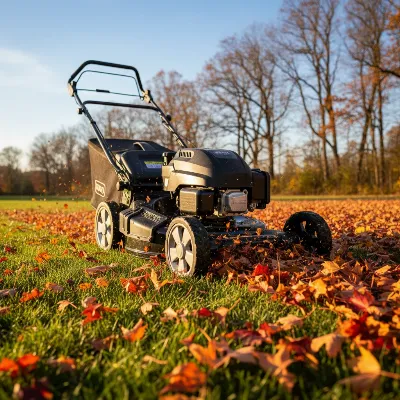 A modern mulching lawn mower effectively shredding fallen leaves on a vibrant green lawn in autumn, with fine mulch being returned to the ground, viewed from a low angle under soft, natural light, in a realistic photographic style.
Understanding Different Lawn Mower Types for Leaf Mulching
When choosing a lawn mower for mulching leaves, understanding the different types and their power sources is crucial. Each design offers unique advantages and disadvantages tailored to various lawn sizes, terrains, and user preferences.
Push Lawn Mowers for Mulching
Push lawn mowers are the most basic and typically the most affordable option. As the name suggests, you provide the propulsion, making them ideal for smaller, flatter lawns. They are highly maneuverable, allowing you to navigate around obstacles with ease. While they require more physical effort, modern push mowers are often lightweight and well-balanced. These are excellent choices for homeowners with less than a quarter-acre of lawn who appreciate simplicity and a good workout.
Self-Propelled Lawn Mowers for Mulching
For larger yards or those with inclines, self-propelled lawn mowers offer a significant advantage by using the engine or motor’s power to move forward. This greatly reduces operator fatigue, making the job feel less like a chore and more like a leisurely walk. They come in both front-wheel drive (FWD) and rear-wheel drive (RWD) configurations; FWD is great for easy turning, while RWD offers better traction on slopes. While more expensive than push mowers, the added convenience often justifies the cost for properties exceeding a quarter-acre.
Riding Lawn Mowers for Mulching
Riding lawn mowers are the ultimate choice for extensive properties, typically half an acre or more. These machines allow you to sit and drive, covering vast areas quickly with wider cutting decks. While not always the primary focus for mulching leaves in smaller yards, many riding mowers offer mulching kits or specialized decks to handle leaf debris efficiently. They are a significant investment and require more storage space, but they dramatically cut down mowing time on large estates.
Gas-Powered Mulching Mowers
Gas-powered lawn mowers are traditionally known for their superior power and robust performance, making them highly effective for tackling thick grass and dense layers of fallen leaves. Their engines, often from reputable brands like Briggs & Stratton, deliver the torque needed to repeatedly cut and shred challenging organic matter. They offer longer run times than battery models, perfect for larger yards without needing to refuel frequently. However, gas mowers are typically louder, require more seasonal maintenance (oil changes, air filter replacement), and produce emissions. Starting can sometimes be a hassle, involving pulling a recoil cord.
Electric (Corded) Mulching Mowers
Electric corded mulching mowers are an excellent choice for smaller yards or properties with easy access to power outlets. They are renowned for their quiet operation and zero emissions, providing a more pleasant mowing experience. Simply plug them in, press a button, and you’re ready to go. The main limitation is the power cord, which restricts your range and requires careful management to avoid tangles or accidental cuts. They require minimal maintenance beyond blade sharpening and deck cleaning.
Battery-Powered Mulching Mowers
Battery-powered lawn mowers strike a balance between the power of gas and the convenience of electric. They offer cordless freedom, quiet operation, and are emissions-free, making them incredibly user-friendly. Just insert the charged battery, and you’re ready to mow. Modern lithium-ion batteries provide impressive run times, though larger yards may require multiple batteries or a mid-job recharge. They demand less maintenance than gas models, but the cost of replacement batteries can be a long-term consideration. Many battery systems are cross-compatible, allowing you to use the same battery across various tools from the same brand.
Top 5 Best Lawn Mowers for Mulching Leaves
Choosing the right lawn mower to effectively mulch leaves can significantly simplify your fall cleanup. Here are five top-performing models that excel in turning fallen foliage into nutrient-rich mulch for your lawn.
1. Toro 21-Inch Super Recycler Self-Propelled Gas Lawn Mower
The Toro 21-Inch Super Recycler stands out for its exceptional mulching capabilities, even in less-than-ideal conditions, such as soggy leaves. Its robust 163cc Briggs & Stratton engine provides ample power, while the innovative Recycler cutting system, featuring two wedge-shaped baffles and a blade-mounted accelerator, ensures that clippings are cut multiple times into ultra-fine particles. This model’s durable cast-aluminum deck is designed for longevity and rust resistance. It also features a blade stop system, allowing you to pause the blades without shutting off the engine—a convenient feature when emptying a bag of mulched leaves.
- Key Features: 163cc Briggs & Stratton engine, 21-inch cutting width, self-propelled rear-wheel drive, cast-aluminum deck, Recycler cutting system, blade stop.
- Pros for Mulching Leaves: Excellent mulching performance even with wet leaves, powerful engine for dense debris, durable deck.
- Cons: Premium price, mulch plug can be hard to remove.
- Ideal Use Case: Homeowners with medium to large yards, particularly those with heavy leaf fall or who value robust, long-lasting equipment.
2. EGO Power+ 21-Inch Select Cut XP Electric Lawn Mower
For those seeking an eco-friendly and powerful mulching solution, the EGO Power+ 21-Inch Select Cut XP is a top contender. This battery-powered mower impresses with its multi-blade system, which includes a dedicated mulching blade designed to maximize shredding efficiency. It consistently delivers excellent cut quality, even in mulching mode, dispersing finely chopped material evenly across the lawn. The mower features a high-voltage 56-volt battery system, variable-speed rear-wheel drive, and bright LED lighting for early morning or late afternoon use. Its ability to fold vertically also saves significant storage space.
- Key Features: 56-volt battery system, 21-inch cutting width, self-propelled rear-wheel drive, multi-blade system with mulching blade, vertical storage.
- Pros for Mulching Leaves: Exceptional mulching with specialized blade, powerful electric motor, quiet operation, emissions-free.
- Cons: Battery run time is finite (though generally good), additional batteries can be costly.
- Ideal Use Case: Environmentally conscious homeowners with small to medium-sized yards, or those who prefer quiet, low-maintenance operation and cordless convenience.
3. Ryobi 40V HP 21-Inch Self-Propelled Lawn Mower
The Ryobi 40V HP 21-Inch Self-Propelled mower offers a compelling blend of battery-powered convenience and strong mulching performance. What sets this mower apart is its innovative mulching gate system, which eliminates the need for a separate mulching plug, making transitions between cutting modes seamless. It utilizes a cross-cut blade configuration with two crossed blades that work in tandem to finely shred and evenly disperse clippings. The mower’s intelligent design automatically increases power when encountering thicker grass or leaves, ensuring consistent performance. It comes with two 6-amp-hour batteries, providing up to 75 minutes of mowing time.
- Key Features: 40-volt HP battery system, 21-inch cutting width, self-propelled rear-wheel drive, mulching gate (no plug), cross-cut blade configuration.
- Pros for Mulching Leaves: Excellent mulching dispersion, easy mode switching, automatic power adjustment for tough conditions, quiet operation.
- Cons: May not cut as close to edges due to deck thickness.
- Ideal Use Case: Homeowners seeking a user-friendly, battery-powered self-propelled mower with reliable mulching, particularly for medium-sized yards.
4. Craftsman M110 21-Inch Push Lawn Mower
For budget-conscious homeowners with smaller, flatter lawns, the Craftsman M110 21-Inch Push Lawn Mower is a reliable and versatile choice for mulching leaves. Equipped with a 140cc Briggs & Stratton gas engine, it provides sufficient power to handle both grass and light leaf mulching without much fuss. This 3-in-1 mower offers mulching, bagging, and side discharge capabilities. Its easy-start engine eliminates priming or choking, making operation straightforward. While a push mower, its lightweight design makes it manageable for the right yard size.
- Key Features: 140cc Briggs & Stratton gas engine, 21-inch cutting width, push operation, 3-in-1 capability.
- Pros for Mulching Leaves: Affordable, easy-starting gas engine, capable of mulching for smaller yards.
- Cons: Not self-propelled (requires physical effort), less suitable for large or hilly properties, deck material may be thinner than premium models.
- Ideal Use Case: Homeowners with small, flat yards who need a dependable and economical gas mower for basic mulching.
5. PowerSmart DB2322S 22″ 3-in-1 196cc Gas Self Propelled Lawn Mower
The PowerSmart DB2322S is a powerful gas-fueled option designed for effective mulching, especially when dealing with heavier leaf loads. Its robust 196cc engine provides substantial power, and its deep, domed cutting deck is specifically engineered to enhance mulching capabilities by allowing clippings more room to circulate and be finely shredded. Despite being one of the heavier mowers on our list, its self-propelling rear-wheel drive system ensures easy maneuverability across your lawn. The 22-inch cutting width also means fewer passes are needed to cover your yard.
- Key Features: 196cc gas engine, 22-inch cutting width, self-propelled rear-wheel drive, deep and domed cutting deck, 3-in-1 functionality.
- Pros for Mulching Leaves: Very powerful engine, specialized deck design for superior mulching, wider cutting path, self-propelled ease.
- Cons: Heaviest on the list, height adjustments can be difficult.
- Ideal Use Case: Homeowners with medium to large yards, particularly those who consistently deal with heavy accumulations of leaves and require significant mulching power.
Buying Guide: Choosing the Right Mulching Lawn Mower for Your Needs
Selecting the perfect mulching lawn mower involves more than just picking a top-rated model. It requires a thoughtful assessment of your specific yard conditions, budget, and desired features.
Assess Your Yard (Size, Type of Grass, Terrain)
The size and topography of your lawn are primary determinants. For small, flat yards (under a quarter-acre), a push mower, whether electric (corded or battery) or gas, offers ample power and maneuverability. Medium-sized yards (quarter to half an acre) with some slopes benefit greatly from a self-propelled model, which reduces physical strain. If your property spans over half an acre or features significant hills, a powerful self-propelled gas or battery mower is often the most practical choice. The type of grass can also influence cutting height preferences.
Set Your Budget
Lawn mowers range widely in price. Push mowers are generally the most affordable, while self-propelled and battery-powered models fall into the mid to high range. Riding mowers represent the highest investment. Determine how much you are willing to spend, keeping in mind that a higher price often correlates with increased power, durability, and advanced features that can save time and effort in the long run.
Essential Features for Effective Leaf Mulching
When focusing on leaf mulching, certain features become paramount. Look for mowers with a powerful engine or motor, as mulching requires continuous chopping and more energy than simply bagging. A specialized mulching blade, often thicker with multiple cutting edges or unique designs like baffles or cross-cut blades, will ensure finer shredding. A deep or domed cutting deck provides the necessary space for clippings to circulate and be re-cut. Additionally, a “3-in-1” function (mulch, bag, and side discharge) offers maximum versatility for different seasonal needs. Easy-to-use height adjustment is also crucial, as you may need to vary cutting height for optimal leaf mulching.
Durability and Maintenance Considerations
The construction material of the mowing deck is a key indicator of durability; steel decks are common and robust, while corrosion-resistant aluminum decks offer premium longevity. High-impact composite plastic decks are lighter and won’t rust. Consider the maintenance requirements: gas mowers need regular oil changes, air filter replacements, and fuel stabilizers, whereas electric and battery models require less engine maintenance but necessitate battery care and blade sharpening. Check the manufacturer’s warranty, which typically ranges from two to five years, often with separate warranties for electric mower batteries.
Safety First
Operating any lawn mower requires adherence to safety guidelines. Always read your owner’s manual thoroughly before use. Wear appropriate personal protective equipment (PPE), including eye protection, hearing protection (especially for gas models), and sturdy footwear. Clear your lawn of any debris, rocks, or branches before mowing to prevent damage to the mower and potential hazards. Never place hands or feet near the moving blades, and always disengage the blades and turn off the engine/motor before performing any maintenance or clearing clogs.
Maximizing Your Mulching Efforts: Usage and Maintenance Tips
To achieve the best results when mulching leaves and to ensure the longevity of your lawn mower, proper usage and consistent maintenance are key.
Safe Operation Practices
Always prioritize safety. Before each use, inspect your mower for any loose parts or damage. Ensure the blade is securely fastened and sharp. Keep children and pets away from the mowing area. When operating, maintain a firm grip on the handle and be aware of your surroundings. If your mower has a blade stop feature, use it when moving over non-grass areas or emptying the bag. Remember, a sharp blade not only cuts better but also reduces strain on the engine and operator.
Optimal Mulching Techniques
The secret to effective leaf mulching lies in technique. Always mulch when leaves are dry, as wet leaves can clump together, clog your mower, and hinder the shredding process, potentially leading to mold issues on your lawn. Rather than tackling massive piles at once, spread the leaves in thin, even layers over your lawn. You may need to make multiple passes to achieve finely shredded mulch. Adjust your cutting height so that the blades are just above the leaves, allowing them to be lifted and cut without bogging down the engine. For an extra boost of nutrients, try mulching leaves along with grass clippings; they compost faster together, further enhancing soil fertility.
> “Mulching dry leaves not only makes the job easier for your mower but also ensures the fine particles decompose quickly, feeding your lawn efficiently.” – Gene Caballero, Co-founder of GreenPal
Routine Maintenance for Longevity
Regular maintenance is vital for the performance and lifespan of your mulching mower. After each use, especially during fall, clean the underside of the cutting deck thoroughly to remove caked-on grass and leaf debris. This prevents rust and ensures optimal air circulation for mulching. For gas mowers, regularly check and change the oil, clean or replace the air filter, and add fuel stabilizer if storing for extended periods. For electric and battery models, ensure batteries are charged and stored properly. Most importantly, keep your mower blades sharp. Dull blades tear rather than cut, resulting in jagged grass tips and inefficient mulching. Sharpening or replacing blades annually will maintain peak performance.
Troubleshooting Common Mulching Issues
Even with the best equipment, you might encounter issues. If your mower is clogging frequently, it’s likely due to mulching wet leaves or trying to process too thick a layer at once. Stop, clear the clog safely (with the engine off and spark plug disconnected for gas models), and adjust your technique. If the mulched leaves appear too large or uneven, your blades might be dull and need sharpening, or you may need to slow down your pace to allow the mower to process the material more thoroughly. If your mower struggles to maintain power, check the engine (for gas) or battery charge (for electric), and ensure the deck isn’t excessively clogged.
Conclusion
Mulching leaves in the fall is a powerful technique to transform yard waste into a natural fertilizer, cultivating a healthier, more vibrant lawn with less effort. By selecting the right mulching lawn mower, you equip yourself with a tool that not only simplifies seasonal cleanup but also contributes to the long-term vitality of your turf. Whether you opt for the robust power of a gas mower like the Toro Super Recycler or PowerSmart DB2322S, or the quiet, eco-friendly efficiency of battery models such as the EGO Power+ Select Cut XP or Ryobi 40V HP, there’s an ideal solution for every homeowner. Even a dependable push mower like the Craftsman M110 can make a significant difference for smaller spaces. Prioritize safety, maintain your equipment diligently, and employ optimal mulching techniques to ensure your lawn thrives. What will your lawn look like next spring, thanks to your mulching efforts this fall?
Frequently Asked Questions
Frequently Asked Questions
Can any lawn mower effectively mulch leaves?
While many modern lawn mowers have some mulching capability, specialized mulching mowers or those equipped with mulching kits are designed with unique blades and deck configurations to more effectively cut leaves into finer particles for optimal decomposition. These specialized designs ensure better nutrient return to your lawn.
How often should I mulch leaves during the fall season?
The frequency of mulching depends on the volume of fallen leaves in your yard. It is best to mulch leaves regularly as they fall, aiming for thin layers. This allows your mower to shred them finely and disperse them evenly, preventing smothering and clumping, which can lead to mold issues.
Is mulching leaves a better option than bagging them?
Mulching is generally considered superior to bagging because it returns valuable nutrients and organic matter directly to your lawn, acting as a natural fertilizer. Bagging, conversely, removes these beneficial elements, potentially requiring supplemental fertilization to maintain soil health and turf vitality.
Do finely mulched leaves attract common garden pests?
Finely mulched leaves, when spread in thin, even layers across your lawn, typically do not attract pests. However, thick, wet piles of unmulched or poorly mulched leaves can create an environment conducive to pests like slugs and insects, as well as promoting mold and fungal growth.
What is the ideal thickness for mulched leaves on a lawn?
Ideally, mulched leaves should create a very thin, almost invisible layer on your lawn, allowing sunlight and air to reach the grass blades. A good rule of thumb is that you should still be able to see the grass through the mulched leaves, ensuring proper aeration and preventing suffocation of the turf.
Get our weekly buyer guide
Practical specs, not advice. Unsubscribe anytime.

I was hoping the PowerSmart DB2322S 22″ 3-in-1 would be a game-changer for my larger property, especially with the self-propelled feature. It does mulch effectively, but I found the engine to be a bit louder than I expected, and it feels a little less robust than some other gas models I’ve used. It gets the job done, but it’s not perfect.
I’m so glad I invested in the Toro 21-Inch Super Recycler. The mulching capability is fantastic, and it really does return those vital nutrients to the soil. My lawn looks much healthier, and I’m saving so much time not having to bag leaves anymore. It’s a powerful machine that makes fall cleanup a breeze.
I finally got around to trying the EGO Power+ 21-Inch Select Cut XP after reading about it. My yard gets absolutely buried in leaves every fall, and bagging them was a nightmare. This mower made quick work of everything, and I love that it’s electric. No more gas fumes or oil changes, just a healthy lawn.
The Craftsman M110 21-Inch Push mower was a solid recommendation for my smaller yard. It handles the mulching really well, and I’ve noticed a definite improvement in my soil quality this spring. My only minor gripe is that it can struggle a bit with really wet, thick piles of leaves, but for the price, it’s a great value.