Properly winterizing your gas lawn mower is crucial for extending its lifespan by preventing costly repairs and ensuring a smooth start in spring. Neglecting this essential maintenance can lead to fuel system issues, rust, engine wear, and frustrating breakdowns. This guide provides a comprehensive, step-by-step process for safely winterizing your gas lawn mower at home, protecting your investment and maintaining peak performance year after year.
An Overview of the Gas Lawn Mower
A lawn mower is a machine designed to cut grass to an even length using one or more rotating blades, primarily to maintain a tidy lawn and promote healthy grass growth. The evolution of the lawn mower, from rudimentary hand-pushed designs to sophisticated ride-on and robotic models, reflects a continuous quest for efficiency and convenience in lawn care.
The first mechanical lawn mower was invented in 1830 by Edwin Budding in England, revolutionizing how lawns were maintained. Gas-powered models remain incredibly popular due to their robust performance and cordless freedom for a wide range of lawn sizes and types. For explore our lawn mower reviews on this site.
Preparing Your Gas Lawn Mower for Winter Storage
Winterizing a gas lawn mower is a multi-step process that safeguards its engine and components from the detrimental effects of cold temperatures, moisture, and prolonged inactivity. This preparation is essential because residual fuel can degrade, leading to clogs and corrosion, while moisture can cause rust on metal parts. Old oil loses its protective qualities, and dirty filters can harbor issues. Taking the time to properly winterize ensures your mower remains reliable and ready for the next mowing season.
Essential Tools and Materials for Winterization
Before you begin, gather the necessary tools and materials to ensure a smooth and efficient winterization process. Having everything on hand will prevent interruptions and make the job much easier. You will need:
- Fuel Stabilizer: Essential for preventing fuel degradation.
- Fresh Engine Oil: The specific type recommended in your owner’s manual.
- New Spark Plug: A fresh plug ensures reliable ignition.
- New Air Filter: To maintain optimal engine performance.
- New Fuel Filter (optional but recommended): Especially if it hasn’t been changed recently.
- Socket Wrench Set: For spark plug and other fasteners.
- Spark Plug Wrench: Often a specialized tool for spark plug removal.
- Oil Drain Pan and Funnel: For a clean oil change.
- Shop Rags or Old Towels: For cleaning and wiping spills.
- Wire Brush: For cleaning battery terminals if applicable.
- Scraper and Stiff Brush: For cleaning the mower deck.
- Safety Glasses and Gloves: Always prioritize personal safety.
- Battery Tender/Charger (for electric start models): To maintain battery health.
- Mower Cover: To protect from dust and moisture during storage.
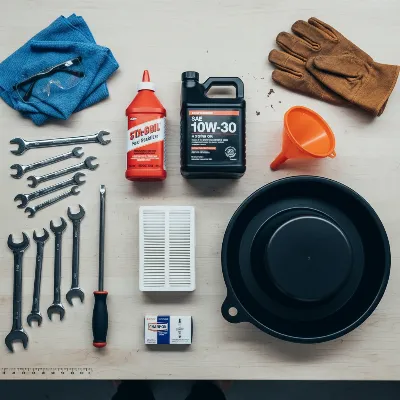 Essential tools and materials laid out for gas lawn mower winterization, including fuel stabilizer, oil, and wrenches.
Step 1: Fuel System Preparation
|
Our Picks for the Best Lawn Mower in 2026
As an Amazon Associate I earn from qualifying purchases.
|
||
| Num | Product | Action |
|---|---|---|
| 1 | Greenworks 24V 13" Brushless (Push) Cordless Lawn Mower, 4.0Ah Battery and Charger |

|
| 2 | LawnMaster MEB1114K Electric Corded Lawn Mower 15-Inch 11AMP |
|
| 3 | Litheli 20V 13" Cordless Lawn Mower, Electric Lawn Mowers for Garden, Yard and Farm, 5 Heights, with Brushless Motor, 4.0Ah Battery & Charger Included |
|
| 4 | CRAFTSMAN Electric Push Lawn Mower, 20-Inch Deck, Corded, Powerful 13-AMP Motor, 6 Setting Height Adjustment, Winged Blades, 3 in 1 Bagging, Mulching and Discharge (CMEMW213) |
|
| 5 | Litheli Electric Lawn Mower Cordless,Grass Cutter Machine for 1300 Sq.Ft.Lawnmower with Motor,13.2 in Cutting Width,8 Gallon Capacity,Cutting Height from 1 to 2.5 in with 4.0A Battery |
|
| 6 | LawnMaster MEB1216K Electric Lawn Mower 16-Inch 12AMP |
|
| 7 | Litheli 13.4inch Electric Lawn Mower Cordless,Grass Cutter Machine for 2600 Sq.Ft.Lawnmower with Brushless Motor, 8 Gallon Capacity, Cutting Height from 1 to 2.5 in, Includes 2X4.0 Ah Battery. |
|
| 8 | Litheli 40V (2 x 20V) 16" Electric Lawn Mower Cordless, Brushless Lawnmower with 6-Height Adjust, Portable & Lightweight Push Battery Powered Lawn Mower (2 * 4.0AH Batteries Included) |
|
| 9 | American Lawn Mower Company 50514 14" 11-Amp Corded Electric Lawn Mower, Black |
|
| 10 | VEVOR Push Lawn Sweeper, 21inch Leaf & Grass Collector, Heavy Duty Thickened Steel Durable to Use with Large Capacity 3.5 cu. ft. Mesh Collection Hopper Bag, 2 Spinning Brushes |
|
One of the most critical steps in winterizing a gas lawn mower is addressing the fuel system. Untreated gasoline can degrade over time, forming gummy deposits that clog the carburetor and fuel lines, leading to difficult starts or complete engine failure in the spring. You have two primary options: draining the fuel or stabilizing it.
Option A: Drain the Fuel CompletelyThis method ensures no stale fuel remains in the system. First, run the mower until it completely runs out of gas. This empties the fuel tank and carburetor. Be sure to do this in a well-ventilated area. Once the engine dies, disconnect the spark plug wire to prevent accidental starts.
Option B: Use a Fuel StabilizerIf you prefer not to drain the fuel, a high-quality fuel stabilizer can protect the gasoline from degrading. Add the recommended amount of fuel stabilizer to a full tank of fresh gasoline. Then, run the engine for 5-10 minutes to ensure the stabilized fuel circulates throughout the entire fuel system, including the carburetor. Products like STA-BIL or Sea Foam are popular choices for this purpose, with many users recommending the marine version of STA-BIL for its enhanced protection against ethanol.
Step 2: Change the Engine Oil
Changing the engine oil before winter storage is vital for engine longevity. Old oil contains contaminants and has lost its lubricating properties, which can lead to corrosion and damage during extended periods of inactivity. A fresh oil change provides maximum protection for internal engine components.
Start the engine and let it run for a few minutes to warm up the oil. Warm oil drains more easily and carries away more impurities. Once warm, turn off the engine and disconnect the spark plug wire for safety. Position an oil drain pan beneath the oil drain plug or tube, then remove the plug to allow the old oil to drain completely. Once drained, replace the plug and refill the crankcase with fresh, clean oil of the type specified in your owner’s manual, using a funnel to prevent spills.
Step 3: Replace the Spark Plug
A fresh spark plug ensures reliable ignition and efficient combustion when you restart your mower in the spring. Over a season of use, spark plugs can foul with carbon deposits, leading to misfires or hard starting.
With the spark plug wire still disconnected, use a spark plug wrench to carefully remove the old spark plug. Inspect the old plug for signs of wear or damage; this can provide clues about your engine’s health. Install the new spark plug, hand-tightening it first to avoid cross-threading, then tightening it with the wrench to the manufacturer’s specified torque. Do not overtighten.
Step 4: Service the Air Filter
A clean air filter is crucial for proper engine performance, as it prevents dirt and debris from entering the engine. A clogged filter restricts airflow, leading to reduced power and increased fuel consumption.
Remove the air filter cover and take out the old air filter. If you have a foam filter, it might be washable and reusable; consult your manual. Paper filters should always be replaced. Install a new, clean air filter, ensuring it fits snugly, and then replace the air filter cover. This simple step can make a significant difference in your mower’s efficiency.
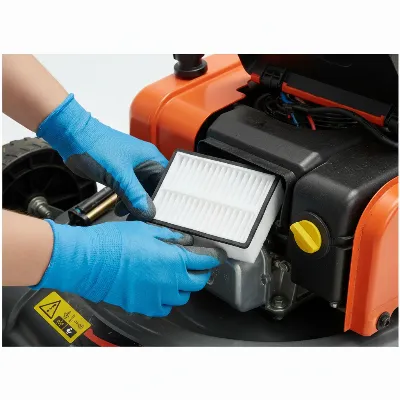 A person carefully installing a clean air filter into a gas lawn mower engine compartment, ensuring a snug fit.
Step 5: Clean the Mower Deck and Blades
Thoroughly cleaning your mower’s deck and blades prevents rust and corrosion, which can be caused by accumulated grass clippings, mud, and moisture. Leaving debris on the deck can also reduce cutting performance and shorten the life of your blades.
Disconnect the spark plug wire again for safety and gently tip the mower onto its side, with the carburetor facing upwards to prevent oil or fuel leaks. Using a scraper, stiff brush, and even a hose, remove all caked-on grass, dirt, and debris from the underside of the deck and around the blades. Inspect the blades for nicks, bends, or dullness. If necessary, remove the blades (following your manual’s instructions) to sharpen them or replace them with new ones. Once clean, allow the deck to dry completely before storage.
Step 6: Apply Fogging Oil (Optional but Recommended)
For advanced engine protection, especially if storing your mower for more than a few months, consider applying fogging oil. This product coats the internal engine components, preventing rust and corrosion that can occur from condensation during storage.
With the spark plug removed, spray fogging oil directly into the spark plug hole. Give the starter rope a few slow pulls (with the spark plug still out and wire disconnected) to distribute the oil throughout the cylinder. Then, replace the spark plug and reconnect the wire. Some experts also recommend spraying fogging oil into the air intake while the engine is running briefly, then letting the engine stall. Always follow the specific instructions on the fogging oil product.
Step 7: Battery Care (for Electric Start Mowers)
If your gas lawn mower has an electric start and uses a battery, proper battery care is essential for maintaining its charge and extending its lifespan. Leaving a battery in the mower during cold winter months can lead to it losing charge and even freezing.
Disconnect the battery terminals, removing the negative cable first, followed by the positive cable. Clean any corrosion from the terminals using a wire brush and a mixture of baking soda and water. Store the battery in a cool, dry place indoors, away from extreme temperatures. For optimal health, connect it to a battery tender or trickle charger that maintains a full charge without overcharging.
Step 8: Lubricate Moving Parts and Inspect Belts/Cables
Lubrication prevents rust and ensures smooth operation of moving parts, while inspecting belts and cables helps identify potential issues before they become problems.
Apply a light coating of grease or oil to any exposed metal parts, pivot points, and cable connections. Consult your owner’s manual for specific lubrication points. While doing this, visually inspect all belts and cables for signs of fraying, cracks, or excessive wear. If any components appear damaged, make a note to replace them before the next mowing season. Addressing these minor issues now can save you from unexpected breakdowns later.
Step 9: Final Storage Considerations
The final step is preparing your mower for its long winter nap. The chosen storage location and protective measures play a significant role in preserving its condition.
Choose a cool, dry, and sheltered location for storage, such as a garage or shed. Avoid areas prone to significant temperature fluctuations or high humidity. If possible, keep the mower off the ground on blocks or a pallet to prevent moisture from wicking up. Cover the entire lawn mower with a breathable, heavy-duty cover to protect it from dust, debris, and accidental bumps. Ensure the cover allows for some air circulation to prevent moisture buildup.
Conclusion
Winterizing your gas lawn mower is more than just a seasonal chore; it’s an investment in the longevity and reliability of your equipment. By diligently following these DIY steps—from preparing the fuel system and changing the oil to cleaning the deck and properly storing the battery—you prevent common winter-related damages like corrosion, fuel issues, and engine wear. This proactive maintenance ensures your mower will fire up effortlessly when spring arrives, ready to tackle the first cut of the new season.
What steps will you take this year to ensure your lawn mower is truly ready for winter?
Frequently Asked Questions
What happens if I don’t winterize my gas lawn mower?
If you don’t winterize your gas lawn mower, residual fuel can degrade and create sticky deposits that clog the carburetor and fuel lines, leading to difficult starting or engine failure. Untreated metal parts can also rust due to moisture and condensation, causing significant damage and costly repairs.
Is it better to drain the gas or use a fuel stabilizer for winter storage?
Both methods are effective. Draining the gas completely ensures no old fuel can cause issues. Using a fuel stabilizer is often easier and protects the entire fuel system from degradation and rust by keeping the fuel fresh for up to 24 months. If you choose a stabilizer, ensure you run the engine for a few minutes to circulate it.
How often should I change the oil in my lawn mower?
Generally, you should change your lawn mower’s oil once per mowing season or every 25-50 operating hours, whichever comes first. Changing the oil before winter storage is particularly beneficial as it removes contaminants and provides fresh lubrication during the long period of inactivity.
Can I store my lawn mower outside during winter?
While it might seem convenient, storing a gas lawn mower outside is generally not recommended, even with a cover. Exposure to extreme cold, snow, rain, and humidity can accelerate rust, degrade plastic components, and potentially cause fluids to freeze, leading to significant damage. A sheltered, dry location like a garage or shed is always preferred.
What kind of fuel stabilizer should I use?
Popular and effective fuel stabilizers include STA-BIL (both the red Storage and blue Marine versions) and Sea Foam. Many users recommend STA-BIL Marine for its added protection against ethanol corrosion. Always follow the product’s instructions for the correct dosage.
Frequently Asked Questions
What happens if I don't winterize my gas lawn mower?
If you don't winterize your gas lawn mower, residual fuel can degrade and create sticky deposits that clog the carburetor and fuel lines, leading to difficult starting or engine failure. Untreated metal parts can also rust due to moisture and condensation, causing significant damage and costly repairs, potentially reducing the mower's lifespan by several years.
Is it better to drain the gas or use a fuel stabilizer for winter storage?
Both methods are effective for winter storage. Draining the gas completely ensures no old fuel can cause issues. Using a fuel stabilizer, such as STA-BIL or Sea Foam, is often easier and protects the entire fuel system from degradation and rust by keeping the fuel fresh for up to 24 months. If you choose a stabilizer, ensure you run the engine for 5-10 minutes to circulate it throughout the system.
How often should I change the oil in my lawn mower?
Generally, you should change your lawn mower's oil once per mowing season or every 25-50 operating hours, whichever comes first. Changing the oil before winter storage is particularly beneficial as it removes contaminants and provides fresh lubrication during the long period of inactivity, protecting internal engine components from corrosion.
Can I store my lawn mower outside during winter?
Storing a gas lawn mower outside is generally not recommended, even with a cover. Exposure to extreme cold, snow, rain, and humidity can accelerate rust, degrade plastic components, and potentially cause fluids to freeze, leading to significant damage. A sheltered, dry location like a garage or shed is always preferred to maintain the mower's condition.
What kind of fuel stabilizer should I use for my lawn mower?
Popular and effective fuel stabilizers include STA-BIL (both the red Storage and blue Marine versions) and Sea Foam. Many users recommend STA-BIL Marine for its added protection against ethanol corrosion, which is common in modern fuels. Always follow the product's instructions for the correct dosage to ensure optimal protection.
How to Winterize Your Gas Lawn Mower
Safely prepare your gas lawn mower for winter storage to extend its lifespan and ensure it starts smoothly next spring. This guide covers essential steps from fuel preparation to final storage.
Either drain the fuel completely by running the mower until it stops, or add a high-quality fuel stabilizer to a full tank of fresh gasoline. Run the engine for 5-10 minutes to circulate the stabilized fuel throughout the system, protecting against degradation and clogs.
Warm up the engine for a few minutes, then turn it off and disconnect the spark plug wire. Drain the old oil into a pan and refill the crankcase with fresh, clean oil as specified in your owner's manual. This removes contaminants and provides maximum lubrication for storage.
Remove the old spark plug and install a new one, hand-tightening first, then with a wrench to the specified torque. Next, remove the old air filter and replace it with a new, clean one, ensuring a snug fit. These steps ensure reliable ignition and optimal engine performance.
Disconnect the spark plug wire and tip the mower on its side (carburetor up). Scrape and brush off all grass clippings, dirt, and debris from the underside of the deck and around the blades. Inspect blades for damage and sharpen or replace if necessary, then allow to dry completely.
Store the mower in a cool, dry, and sheltered location, ideally off the ground, and cover it with a breathable, heavy-duty cover. For electric start models, disconnect the battery, clean terminals, and store it indoors connected to a battery tender to maintain charge.
Get our weekly buyer guide
Practical specs, not advice. Unsubscribe anytime.

I always dreaded getting my mower started in the spring, but after following these steps last fall, my old Craftsman fired right up! The tip about stabilizing the fuel really made a difference. It’s great to know I won’t have to deal with a clogged carburetor again.
I appreciate the detailed steps for winterizing. I’ve been doing most of these for years, but the section on cleaning the deck thoroughly was a good reminder. However, I found the part about changing the oil a bit confusing for my specific model; it could have used a bit more universal advice or a note about checking the owner’s manual.
Excellent advice! I used to just store my Troy-Bilt in the shed and hope for the best. The explanation of why it’s important to disconnect the spark plug for safety was really clear and made me feel more confident doing the maintenance myself. My mower is definitely going to last longer now.
This guide was super helpful for my Honda mower. I usually just drain the gas, but the advice on removing the spark plug and adding a bit of oil to the cylinder was something I hadn’t thought of. My only minor complaint is that I wish there was a quick checklist at the end for easy reference.