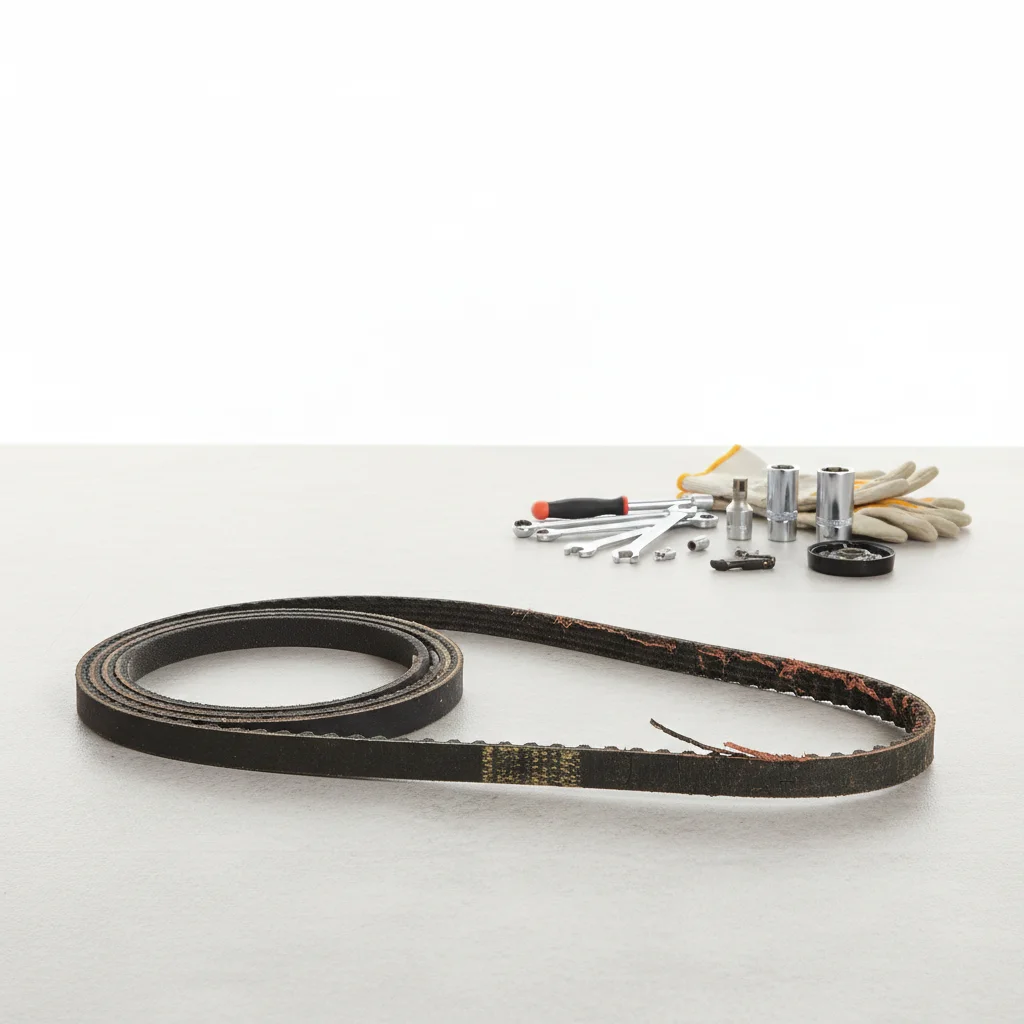
Knowing when to perform a lawn mower belt replacement is crucial for maintaining your machine’s efficiency and preventing unexpected breakdowns. Generally, you should consider replacing your lawn mower belt every 100 to 200 hours of operation, or at least once every two years, whichever comes first. This timeframe can vary based on usage intensity, terrain, and the type of belt.
Signs Your Lawn Mower Belt Needs Replacing
Several indicators suggest your lawn mower belt is nearing the end of its lifespan. Visible cracks, fraying, or glazing on the belt’s surface are clear signs of wear and tear. If you notice a burning rubber smell while mowing, it often points to a slipping or overheating belt. Additionally, a decrease in cutting performance, such as an uneven cut or the blades not engaging properly, can be attributed to a stretched or worn belt. For compare top lawn mower on this site.
Another common sign is excessive vibration or unusual noises coming from the mower deck. A loose or damaged belt can cause components to rub against each other, leading to these issues. Regularly inspecting your belt for these symptoms can help you preemptively replace it, saving you time and money on more extensive repairs.
Choosing the Right Replacement Belt
Selecting the correct replacement belt is vital for optimal performance and longevity. Always refer to your lawn mower’s owner’s manual for the exact specifications, including belt length, width, and type (e.g., V-belt, flat belt). Using a belt that is too long will result in slippage and poor power transfer, while a belt that is too short can put undue stress on pulleys and bearings, leading to premature failure.
Consider purchasing OEM (Original Equipment Manufacturer) belts if available, as they are designed to perfectly match your mower’s specifications. Aftermarket belts can be a cost-effective alternative, but ensure they meet or exceed the quality standards of the original.
Step-by-Step Guide to Replacing Your Lawn Mower Belt
|
Our Picks for the Best Lawn Mower in 2026
As an Amazon Associate I earn from qualifying purchases.
|
||
| Num | Product | Action |
|---|---|---|
| 1 | VEVOR Push Lawn Sweeper, 21inch Leaf & Grass Collector, Heavy Duty Thickened Steel Durable to Use with Large Capacity 3.5 cu. ft. Mesh Collection Hopper Bag, 2 Spinning Brushes |

|
| 2 | American Lawn Mower Company 50514 14" 11-Amp Corded Electric Lawn Mower, Black |
|
| 3 | Greenworks 24V 13" Brushless (Push) Cordless Lawn Mower, 4.0Ah Battery and Charger |
|
| 4 | CRAFTSMAN Electric Push Lawn Mower, 20-Inch Deck, Corded, Powerful 13-AMP Motor, 6 Setting Height Adjustment, Winged Blades, 3 in 1 Bagging, Mulching and Discharge (CMEMW213) |
|
| 5 | Litheli 13.4inch Electric Lawn Mower Cordless,Grass Cutter Machine for 2600 Sq.Ft.Lawnmower with Brushless Motor, 8 Gallon Capacity, Cutting Height from 1 to 2.5 in, Includes 2X4.0 Ah Battery. |
|
| 6 | Litheli 40V (2 x 20V) 16" Electric Lawn Mower Cordless, Brushless Lawnmower with 6-Height Adjust, Portable & Lightweight Push Battery Powered Lawn Mower (2 * 4.0AH Batteries Included) |
|
| 7 | LawnMaster MEB1216K Electric Lawn Mower 16-Inch 12AMP |
|
| 8 | Litheli 20V 13" Cordless Lawn Mower, Electric Lawn Mowers for Garden, Yard and Farm, 5 Heights, with Brushless Motor, 4.0Ah Battery & Charger Included |
|
| 9 | LawnMaster MEB1114K Electric Corded Lawn Mower 15-Inch 11AMP |
|
| 10 | Litheli Electric Lawn Mower Cordless,Grass Cutter Machine for 1300 Sq.Ft.Lawnmower with Motor,13.2 in Cutting Width,8 Gallon Capacity,Cutting Height from 1 to 2.5 in with 4.0A Battery |
|
Replacing a lawn mower belt is a manageable DIY task for most homeowners. First, ensure your mower is turned off, the spark plug wire is disconnected (for gas mowers), and the battery is removed (for electric mowers) to prevent accidental starting. Consult your owner’s manual for specific instructions on accessing the belt, as designs vary between models.
Typically, you’ll need to remove the mower deck (for riding mowers) or tilt the mower on its side (for push mowers). Carefully observe how the old belt is routed around the pulleys before removing it, or take a photo for reference. Install the new belt, ensuring it sits correctly in all pulley grooves. Double-check the tension and alignment before reassembling your mower.
Extending the Life of Your Lawn Mower Belt
Proper maintenance can significantly extend the life of your lawn mower belt. Here are a few tips:
- Regular Cleaning: Keep the mower deck and pulleys free of grass clippings, dirt, and debris that can cause friction and wear.
- Proper Storage: Store your lawn mower in a dry, covered area to protect the belt from extreme temperatures and moisture, which can degrade the rubber.
- Avoid Overloading: Do not attempt to cut excessively tall or wet grass, as this puts extra strain on the belt and engine.
- Check Pulley Alignment: Periodically inspect pulleys for proper alignment and ensure they spin freely. Misaligned or seized pulleys can quickly wear out a belt.
- Inspect for Damage: Before each mowing season, visually inspect the belt for any signs of wear, even if it’s not time for a full replacement.
When to Seek Professional Help
While belt replacement is often a DIY job, there are instances when professional assistance is advisable. If you’re unsure about the correct belt routing, encounter difficulty accessing the belt, or suspect other underlying issues with your mower’s drive system, it’s best to consult a qualified technician. They can diagnose complex problems and ensure the replacement is done correctly, preventing further damage to your equipment.
Get our weekly buyer guide
Practical specs, not advice. Unsubscribe anytime.
