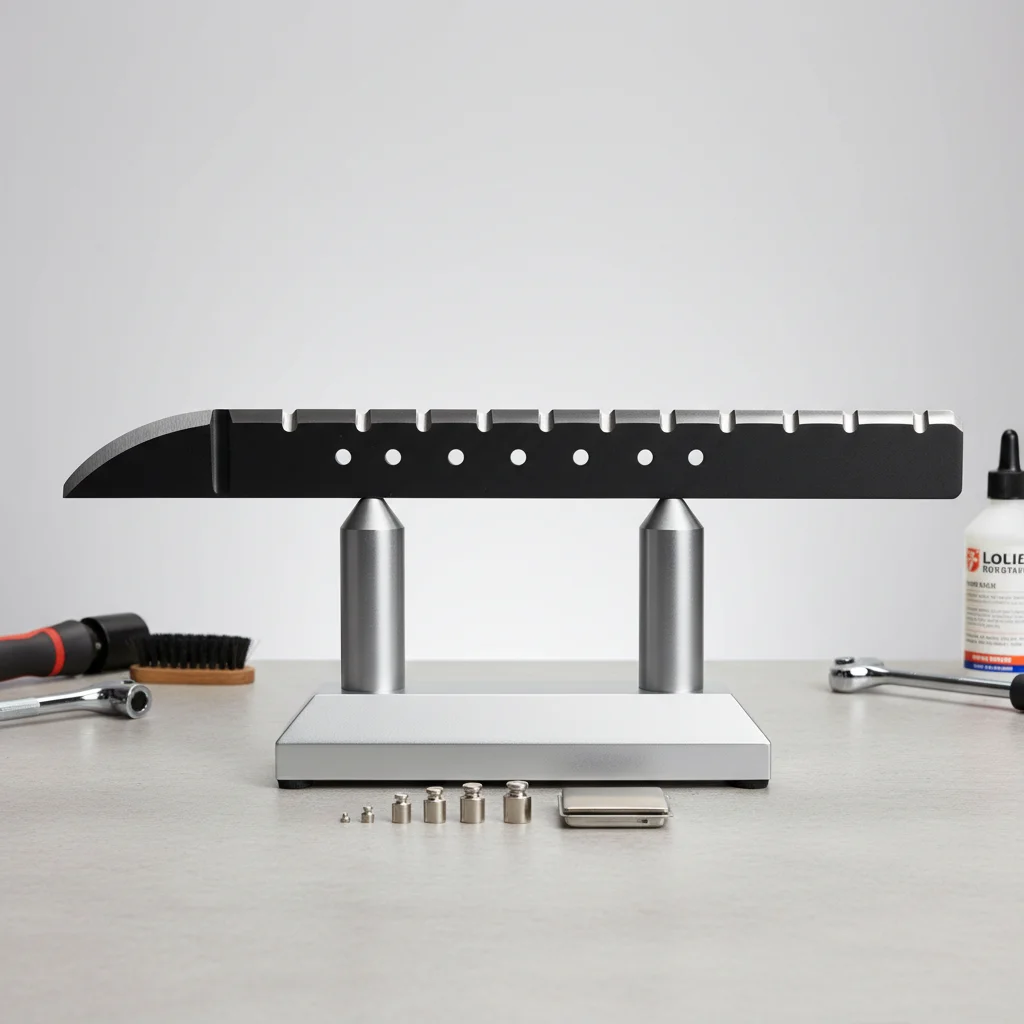
Lawn mower blade balancing is crucial for achieving a smooth, even cut and extending the life of your mower. An unbalanced blade can lead to excessive vibration, premature wear on engine components, and a ragged appearance for your lawn. Properly balanced blades ensure efficient operation and a healthier turf.
Why Blade Balancing is Essential
An unbalanced lawn mower blade creates significant centrifugal force as it spins at high RPMs. This force causes the entire mower deck and engine to vibrate excessively. Over time, this constant vibration can loosen bolts, damage bearings, and even crack the mower deck itself. More immediately, it results in an uneven cut, leaving some grass blades taller than others and potentially scalping areas of your lawn. A balanced blade, on the other hand, spins smoothly, reducing stress on the engine and delivering a consistently clean cut.
Signs Your Blades Need Balancing
Several indicators suggest your lawn mower blades might be out of balance. The most obvious sign is excessive vibration during operation, which you can often feel through the handles or seat. Another common symptom is an uneven cut, where the grass appears choppy or has noticeable streaks. If you hear unusual rattling noises or notice premature wear on your mower’s deck or engine components, an unbalanced blade could be the culprit. Regularly inspecting your blades for nicks, bends, or excessive wear can also help you identify when balancing might be necessary.
How to Balance Your Lawn Mower Blades
Balancing lawn mower blades is a straightforward process that can be done at home with the right tools. First, remove the blade from your mower and thoroughly clean it to remove any caked-on grass or debris. Even a small amount of buildup can throw off the balance. Next, use a dedicated blade balancer (either a cone-style or magnetic balancer) to determine which side is heavier. The heavier side will dip down. Carefully remove a small amount of metal from the heavier side using a grinder or file, being careful not to alter the blade’s cutting edge or structural integrity. Repeat this process, checking the balance frequently, until the blade rests perfectly level on the balancer. Always wear appropriate safety gear, including gloves and eye protection, when working with sharp blades and power tools.
- Remove and thoroughly clean the blade.
- Use a dedicated blade balancer to identify the heavier side.
- Carefully grind or file small amounts of metal from the heavier side.
- Recheck the balance frequently until the blade is level.
- Reinstall the balanced blade securely on your mower.
Benefits of Regular Blade Balancing
|
Our Picks for the Best Lawn Mower in 2026
As an Amazon Associate I earn from qualifying purchases.
|
||
| Num | Product | Action |
|---|---|---|
| 1 | Litheli 13.4inch Electric Lawn Mower Cordless,Grass Cutter Machine for 2600 Sq.Ft.Lawnmower with Brushless Motor, 8 Gallon Capacity, Cutting Height from 1 to 2.5 in, Includes 2X4.0 Ah Battery. |

|
| 2 | Litheli 20V 13" Cordless Lawn Mower, Electric Lawn Mowers for Garden, Yard and Farm, 5 Heights, with Brushless Motor, 4.0Ah Battery & Charger Included |
|
| 3 | Greenworks 24V 13" Brushless (Push) Cordless Lawn Mower, 4.0Ah Battery and Charger |
|
| 4 | VEVOR Push Lawn Sweeper, 21inch Leaf & Grass Collector, Heavy Duty Thickened Steel Durable to Use with Large Capacity 3.5 cu. ft. Mesh Collection Hopper Bag, 2 Spinning Brushes |
|
| 5 | Litheli Electric Lawn Mower Cordless,Grass Cutter Machine for 1300 Sq.Ft.Lawnmower with Motor,13.2 in Cutting Width,8 Gallon Capacity,Cutting Height from 1 to 2.5 in with 4.0A Battery |
|
| 6 | Litheli 40V (2 x 20V) 16" Electric Lawn Mower Cordless, Brushless Lawnmower with 6-Height Adjust, Portable & Lightweight Push Battery Powered Lawn Mower (2 * 4.0AH Batteries Included) |
|
| 7 | LawnMaster MEB1114K Electric Corded Lawn Mower 15-Inch 11AMP |
|
| 8 | LawnMaster MEB1216K Electric Lawn Mower 16-Inch 12AMP |
|
| 9 | CRAFTSMAN Electric Push Lawn Mower, 20-Inch Deck, Corded, Powerful 13-AMP Motor, 6 Setting Height Adjustment, Winged Blades, 3 in 1 Bagging, Mulching and Discharge (CMEMW213) |
|
| 10 | American Lawn Mower Company 50514 14" 11-Amp Corded Electric Lawn Mower, Black |
|
Regularly balancing your lawn mower blades offers numerous advantages. The most immediate benefit is a superior cut quality, resulting in a healthier, more attractive lawn. Balanced blades reduce stress on your mower’s engine and deck, significantly extending the lifespan of these expensive components. You’ll also experience less vibration, making mowing a more comfortable task. Furthermore, a well-maintained and balanced blade operates more efficiently, potentially reducing fuel consumption for gas mowers and extending battery life for electric models. Consider investing in a quality blade balancer to make this maintenance task easier.
When to Balance and Replace Blades
It’s generally recommended to balance your lawn mower blades at least once per mowing season, or more frequently if you often encounter obstacles like rocks or roots. Any time you sharpen your blades, it’s also an excellent opportunity to check their balance, as sharpening can sometimes remove more material from one side than the other. However, balancing isn’t a solution for severely damaged or bent blades. If a blade is significantly bent, cracked, or has large chunks missing, it should be replaced immediately, as attempting to balance it could be dangerous and ineffective. Always use genuine replacement parts for optimal performance and safety.
Get our weekly buyer guide
Practical specs, not advice. Unsubscribe anytime.
