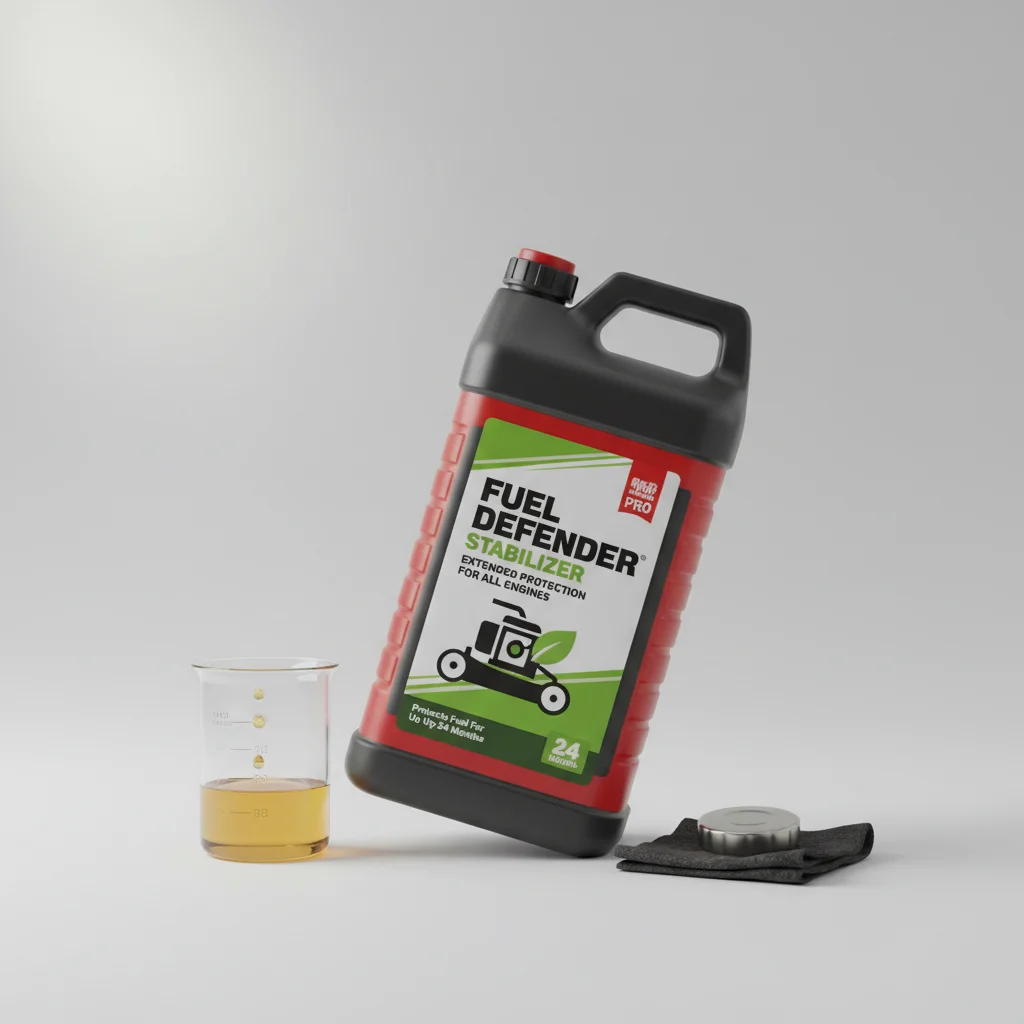
Lawn mower fuel stabilizer typically lasts for 12 to 24 months once added to gasoline, effectively preventing fuel degradation and keeping your engine ready for use. The exact duration depends on the specific product’s formulation and the storage conditions of the fuel. Using a stabilizer is crucial for maintaining fuel quality, especially during off-season storage, to avoid common starting issues and costly repairs.
Why Fuel Stabilizer is Essential for Your Lawn Mower
Gasoline, especially modern ethanol-blended fuels, can degrade rapidly, often within a few months. This degradation leads to the formation of gums, varnishes, and corrosive byproducts that can clog fuel lines, carburetors, and injectors. A fuel stabilizer works by creating a protective layer around fuel molecules, preventing oxidation and the absorption of moisture. This process ensures that the fuel remains chemically stable and combustible, even after extended periods of inactivity. For browse all lawn mower articles on this site.
Without a stabilizer, stale fuel can cause hard starting, rough idling, reduced engine performance, and even permanent damage to fuel system components. This is particularly important for seasonal equipment like lawn mowers that sit idle for several months during winter. Investing in a quality fuel stabilizer is a small cost compared to the potential expenses of repairing or replacing a damaged engine.
Factors Affecting Stabilizer Effectiveness
The longevity and effectiveness of a fuel stabilizer are influenced by several factors. Firstly, the type and brand of stabilizer play a significant role; premium products often offer longer protection. Secondly, the age of the gasoline itself matters; it’s best to add stabilizer to fresh fuel. Thirdly, storage conditions are critical: fuel stored in a cool, dark, and sealed container will maintain its stability longer than fuel exposed to heat, light, and air.
- Always add stabilizer to fresh gasoline for optimal results.
- Ensure the fuel container is tightly sealed to prevent air exposure.
- Store fuel in a cool, dark place, away from direct sunlight or extreme temperatures.
- Follow the manufacturer’s recommended dosage for the specific stabilizer product.
- Run the engine for a few minutes after adding stabilizer to ensure it circulates through the fuel system.
How to Properly Use Fuel Stabilizer
|
Our Picks for the Best Lawn Mower in 2026
As an Amazon Associate I earn from qualifying purchases.
|
||
| Num | Product | Action |
|---|---|---|
| 1 | LawnMaster MEB1114K Electric Corded Lawn Mower 15-Inch 11AMP |

|
| 2 | Litheli Electric Lawn Mower Cordless,Grass Cutter Machine for 1300 Sq.Ft.Lawnmower with Motor,13.2 in Cutting Width,8 Gallon Capacity,Cutting Height from 1 to 2.5 in with 4.0A Battery |
|
| 3 | Litheli 40V (2 x 20V) 16" Electric Lawn Mower Cordless, Brushless Lawnmower with 6-Height Adjust, Portable & Lightweight Push Battery Powered Lawn Mower (2 * 4.0AH Batteries Included) |
|
| 4 | Litheli 20V 13" Cordless Lawn Mower, Electric Lawn Mowers for Garden, Yard and Farm, 5 Heights, with Brushless Motor, 4.0Ah Battery & Charger Included |
|
| 5 | LawnMaster MEB1216K Electric Lawn Mower 16-Inch 12AMP |
|
| 6 | Litheli 13.4inch Electric Lawn Mower Cordless,Grass Cutter Machine for 2600 Sq.Ft.Lawnmower with Brushless Motor, 8 Gallon Capacity, Cutting Height from 1 to 2.5 in, Includes 2X4.0 Ah Battery. |
|
| 7 | American Lawn Mower Company 50514 14" 11-Amp Corded Electric Lawn Mower, Black |
|
| 8 | CRAFTSMAN Electric Push Lawn Mower, 20-Inch Deck, Corded, Powerful 13-AMP Motor, 6 Setting Height Adjustment, Winged Blades, 3 in 1 Bagging, Mulching and Discharge (CMEMW213) |
|
| 9 | Greenworks 24V 13" Brushless (Push) Cordless Lawn Mower, 4.0Ah Battery and Charger |
|
| 10 | VEVOR Push Lawn Sweeper, 21inch Leaf & Grass Collector, Heavy Duty Thickened Steel Durable to Use with Large Capacity 3.5 cu. ft. Mesh Collection Hopper Bag, 2 Spinning Brushes |
|
Using fuel stabilizer correctly is straightforward but vital for its efficacy. Always read the product label for specific instructions, as concentrations can vary. Generally, you add the recommended amount of stabilizer directly to your fuel tank or storage container before filling it with gasoline. After adding, gently agitate the container or run your lawn mower’s engine for a few minutes to ensure the stabilizer mixes thoroughly with the fuel and circulates throughout the entire fuel system, including the carburetor.
For long-term storage, such as over winter, it’s advisable to fill the fuel tank completely after adding stabilizer. A full tank minimizes air space, which reduces condensation and further protects the fuel from degradation. This simple step can save you significant frustration and repair costs when it’s time to start your mower again in the spring.
Common Mistakes to Avoid
One common mistake is adding stabilizer to old, already degraded fuel. While it might slow further degradation, it won’t reverse the damage already done. Always start with fresh gasoline. Another error is not using enough stabilizer; under-dosing can lead to inadequate protection. Conversely, over-dosing usually isn’t harmful but is wasteful. Ensure you’re using the correct ratio as specified by the product manufacturer.
Failing to run the engine after adding stabilizer is another oversight. If the stabilizer doesn’t circulate through the carburetor and fuel lines, those components remain vulnerable to fuel degradation. Always ensure the treated fuel reaches every part of the fuel system that will hold fuel during storage.
Get our weekly buyer guide
Practical specs, not advice. Unsubscribe anytime.
