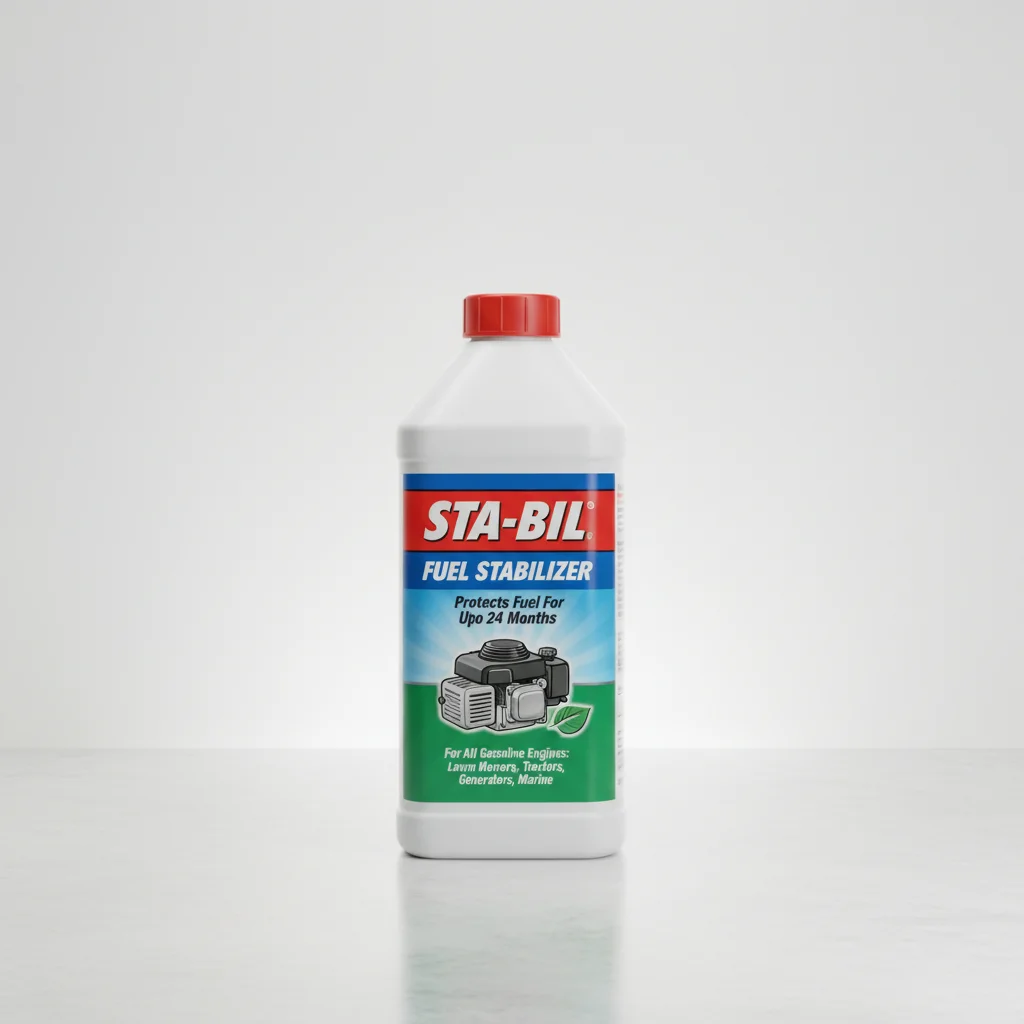
Lawn mower fuel stabilizer typically lasts for 12 to 24 months once mixed with gasoline, depending on the specific product and storage conditions. This additive is crucial for preventing fuel degradation, which can lead to carburetor clogs and starting issues, especially during off-season storage.
Why Fuel Stabilizer is Essential for Your Mower
Gasoline, particularly ethanol-blended fuel, can degrade rapidly, attracting moisture and forming gummy deposits. These deposits can wreak havoc on your lawn mower’s fuel system, clogging carburetors, fuel lines, and filters. A quality fuel stabilizer works by preventing oxidation and corrosion, ensuring the fuel remains fresh and potent for extended periods. This is particularly important for seasonal equipment that sits idle for months.
Factors Affecting Stabilizer Effectiveness
Several factors influence how long a fuel stabilizer remains effective. The type of stabilizer plays a significant role; some are formulated for short-term storage (up to 6 months), while others offer protection for a year or more. The quality of the fuel itself, whether it’s ethanol-free or a specific blend, can also impact longevity. Furthermore, proper storage conditions, such as keeping the fuel in an airtight container in a cool, dark place, will maximize the stabilizer’s lifespan and effectiveness.
How to Properly Use Fuel Stabilizer
|
Our Picks for the Best Lawn Mower in 2026
As an Amazon Associate I earn from qualifying purchases.
|
||
| Num | Product | Action |
|---|---|---|
| 1 | Greenworks 24V 13" Brushless (Push) Cordless Lawn Mower, 4.0Ah Battery and Charger |

|
| 2 | Litheli 13.4inch Electric Lawn Mower Cordless,Grass Cutter Machine for 2600 Sq.Ft.Lawnmower with Brushless Motor, 8 Gallon Capacity, Cutting Height from 1 to 2.5 in, Includes 2X4.0 Ah Battery. |
|
| 3 | American Lawn Mower Company 50514 14" 11-Amp Corded Electric Lawn Mower, Black |
|
| 4 | Litheli 20V 13" Cordless Lawn Mower, Electric Lawn Mowers for Garden, Yard and Farm, 5 Heights, with Brushless Motor, 4.0Ah Battery & Charger Included |
|
| 5 | Litheli 40V (2 x 20V) 16" Electric Lawn Mower Cordless, Brushless Lawnmower with 6-Height Adjust, Portable & Lightweight Push Battery Powered Lawn Mower (2 * 4.0AH Batteries Included) |
|
| 6 | VEVOR Push Lawn Sweeper, 21inch Leaf & Grass Collector, Heavy Duty Thickened Steel Durable to Use with Large Capacity 3.5 cu. ft. Mesh Collection Hopper Bag, 2 Spinning Brushes |
|
| 7 | Litheli Electric Lawn Mower Cordless,Grass Cutter Machine for 1300 Sq.Ft.Lawnmower with Motor,13.2 in Cutting Width,8 Gallon Capacity,Cutting Height from 1 to 2.5 in with 4.0A Battery |
|
| 8 | LawnMaster MEB1216K Electric Lawn Mower 16-Inch 12AMP |
|
| 9 | LawnMaster MEB1114K Electric Corded Lawn Mower 15-Inch 11AMP |
|
| 10 | CRAFTSMAN Electric Push Lawn Mower, 20-Inch Deck, Corded, Powerful 13-AMP Motor, 6 Setting Height Adjustment, Winged Blades, 3 in 1 Bagging, Mulching and Discharge (CMEMW213) |
|
For optimal results, add fuel stabilizer to your gas tank before storing your lawn mower for the off-season. It’s best to add it to a nearly full tank of fresh gasoline to minimize air exposure. After adding, run the engine for 5-10 minutes to ensure the treated fuel circulates throughout the entire fuel system, including the carburetor. This step is critical to protect all components from fuel degradation.
- Always follow the manufacturer’s recommended dosage for the fuel stabilizer.
- Ensure the fuel tank is at least 3/4 full to reduce condensation.
- Run the engine briefly after adding stabilizer to distribute it.
- Store fuel in a sealed, approved container away from direct sunlight.
- Check the expiration date on your fuel stabilizer product.
Choosing the Right Fuel Stabilizer Product
There are numerous fuel stabilizer products on the market, each with slightly different formulations. Look for products specifically designed for small engines and those that offer protection against ethanol-related issues. Some popular brands include STA-BIL, Sea Foam, and Lucas Oil. Reading reviews and understanding the specific benefits of each product can help you make an informed decision for your lawn mower’s needs.
Common Mistakes to Avoid
One common mistake is adding stabilizer to old, degraded fuel. Fuel stabilizer cannot reverse the effects of already stale gasoline; it only prevents future degradation. Another error is not running the engine after adding the stabilizer, which leaves untreated fuel in parts of the system. Finally, using an insufficient amount of stabilizer or storing fuel in an unsealed container will diminish its protective qualities. Always ensure a tight seal on your fuel cans and mower tank.
Get our weekly buyer guide
Practical specs, not advice. Unsubscribe anytime.

I used to have such a headache every spring trying to get my riding mower started after winter storage. Since I started using a fuel stabilizer, those issues are completely gone. It’s amazing how much difference preventing those gummy deposits makes. Definitely worth the small investment to avoid carburetor clogs.
I’ve been using fuel stabilizer for my push mower for about a year now, and it really does help. I used to have trouble with starting after even a month or two of not using it. My only minor complaint is that sometimes I forget to add it right away, but when I do, it keeps the fuel fresh for a long time, just like it says, preventing that fuel degradation.
This stuff is a lifesaver for anyone with seasonal equipment. I used to dread getting my generator and pressure washer going after they sat for months. Now, with a good fuel stabilizer, they fire right up. It’s especially important with ethanol-blended fuel, which seems to go bad so fast without it. Keeps everything potent.
I tried a fuel stabilizer last season for my commercial zero-turn, hoping to extend the life of my fuel. It did help with starting issues, but I still noticed some minor corrosion in the fuel tank when I checked it after about 10 months. Maybe I need to try a different brand or ensure my storage conditions are perfect. It wasn’t a complete fix for everything.