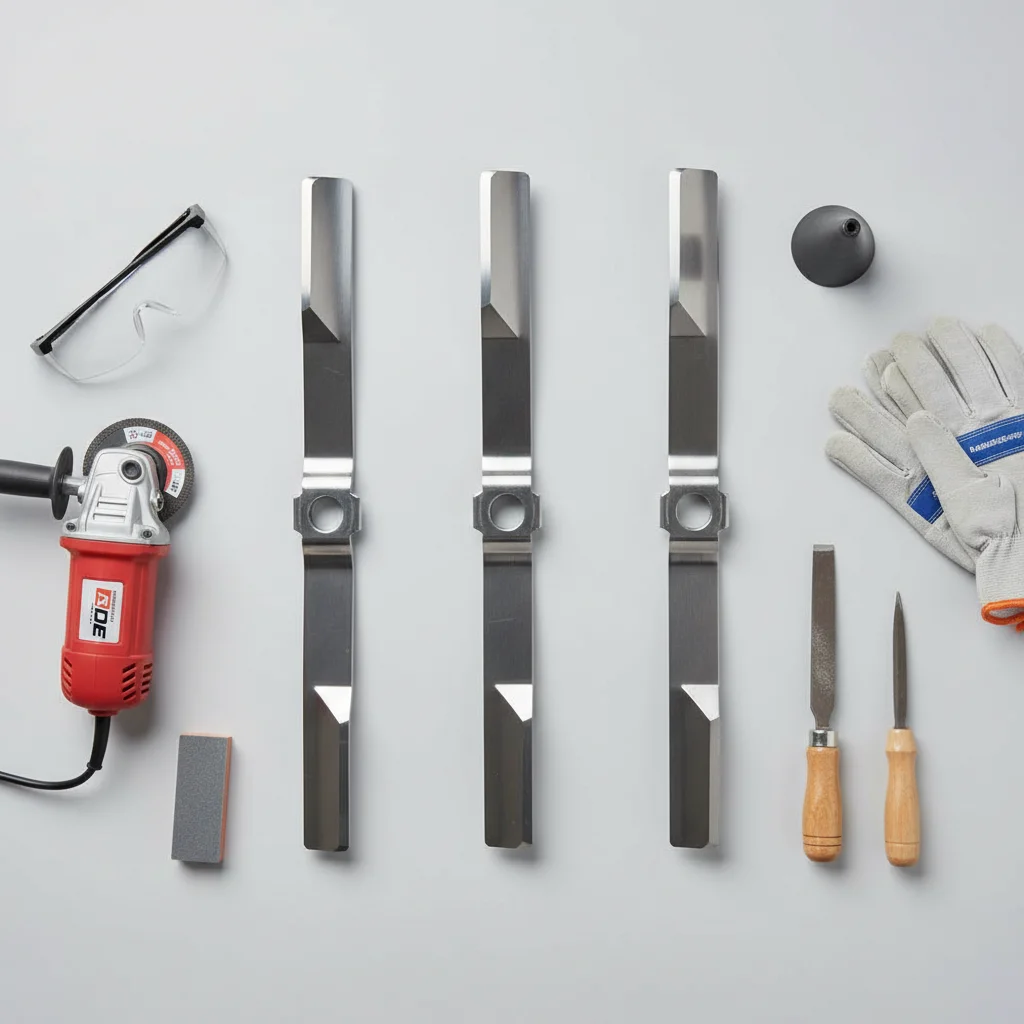
For most residential lawn mowers, sharpening the blades every 25 hours of use, or at least twice per mowing season, is ideal for maintaining a clean cut and healthy lawn. Dull blades tear grass rather than cut it cleanly, leading to a ragged appearance and increased susceptibility to disease. Regular sharpening ensures your mower operates efficiently and delivers the best possible results.
Why Blade Sharpness Matters for Your Lawn
A sharp lawn mower blade makes a clean cut, which helps the grass recover quickly and grow stronger. When blades are dull, they rip and fray the grass blades, leaving jagged edges that turn brown and make your lawn look unhealthy. This damage also stresses the grass, making it more vulnerable to pests and diseases. Maintaining sharp blades is a fundamental aspect of good lawn care, contributing significantly to the overall health and appearance of your turf.
Signs Your Lawn Mower Blades Need Sharpening
Several clear indicators suggest your lawn mower blades are no longer sharp enough. The most obvious sign is an uneven or ragged cut, where the grass tips appear torn or shredded rather than cleanly sliced. You might also notice the grass tips turning brown shortly after mowing, which is a direct result of the damage caused by dull blades. Increased vibration from your mower can also be a subtle sign, as dull blades can create an imbalance. Finally, if you’re finding that your mower struggles more than usual to cut through thicker grass, it’s likely time for a sharpening.
- Ragged or torn grass tips after mowing
- Grass tips turning brown within a day or two of cutting
- Increased vibration or unusual noise from the mower
- Mower struggling to cut through dense or tall grass
- Visible nicks or dull edges on the blade itself
The Sharpening Process: DIY vs. Professional
|
Our Picks for the Best Lawn Mower in 2026
As an Amazon Associate I earn from qualifying purchases.
|
||
| Num | Product | Action |
|---|---|---|
| 1 | Greenworks 24V 13" Brushless (Push) Cordless Lawn Mower, 4.0Ah Battery and Charger |

|
| 2 | Litheli 40V (2 x 20V) 16" Electric Lawn Mower Cordless, Brushless Lawnmower with 6-Height Adjust, Portable & Lightweight Push Battery Powered Lawn Mower (2 * 4.0AH Batteries Included) |
|
| 3 | Litheli 20V 13" Cordless Lawn Mower, Electric Lawn Mowers for Garden, Yard and Farm, 5 Heights, with Brushless Motor, 4.0Ah Battery & Charger Included |
|
| 4 | CRAFTSMAN Electric Push Lawn Mower, 20-Inch Deck, Corded, Powerful 13-AMP Motor, 6 Setting Height Adjustment, Winged Blades, 3 in 1 Bagging, Mulching and Discharge (CMEMW213) |
|
| 5 | Litheli 13.4inch Electric Lawn Mower Cordless,Grass Cutter Machine for 2600 Sq.Ft.Lawnmower with Brushless Motor, 8 Gallon Capacity, Cutting Height from 1 to 2.5 in, Includes 2X4.0 Ah Battery. |
|
| 6 | Litheli Electric Lawn Mower Cordless,Grass Cutter Machine for 1300 Sq.Ft.Lawnmower with Motor,13.2 in Cutting Width,8 Gallon Capacity,Cutting Height from 1 to 2.5 in with 4.0A Battery |
|
| 7 | American Lawn Mower Company 50514 14" 11-Amp Corded Electric Lawn Mower, Black |
|
| 8 | LawnMaster MEB1114K Electric Corded Lawn Mower 15-Inch 11AMP |
|
| 9 | VEVOR Push Lawn Sweeper, 21inch Leaf & Grass Collector, Heavy Duty Thickened Steel Durable to Use with Large Capacity 3.5 cu. ft. Mesh Collection Hopper Bag, 2 Spinning Brushes |
|
| 10 | LawnMaster MEB1216K Electric Lawn Mower 16-Inch 12AMP |
|
Sharpening lawn mower blades can be a DIY task if you have the right tools and knowledge. Essential tools include a bench grinder or a file, a vice to secure the blade, and a blade balancer to ensure even weight distribution after sharpening. Safety is paramount; always disconnect the spark plug before handling the blade. If you’re not comfortable with the process or lack the necessary equipment, professional sharpening services are readily available at most hardware stores or small engine repair shops. They can ensure a precise angle and proper balance, which is crucial for optimal performance and safety.
Maintaining Blade Sharpness Between Sharpenings
Beyond regular sharpening, there are practices you can adopt to extend the life of your blade’s edge. Avoid mowing over rocks, sticks, or other debris that can nick or dull the blade. Regularly inspect your lawn for obstacles before you start mowing. If you frequently encounter sandy or gritty soil, this can also accelerate blade wear, so consider more frequent inspections. Cleaning your mower deck after each use also helps prevent buildup that can affect blade performance and balance.
When to Replace Your Lawn Mower Blades
While sharpening can extend the life of your blades, there comes a point when replacement is necessary. If your blades are severely bent, cracked, or have significant chunks missing, they should be replaced immediately. Attempting to sharpen a damaged blade can be dangerous and will not result in an effective cut. Even without visible damage, if a blade has been sharpened many times and is significantly thinner than its original thickness, it may be too weak to perform safely and efficiently. Always refer to your mower’s manual for specific recommendations on blade replacement intervals and compatible blade types.
Get our weekly buyer guide
Practical specs, not advice. Unsubscribe anytime.
