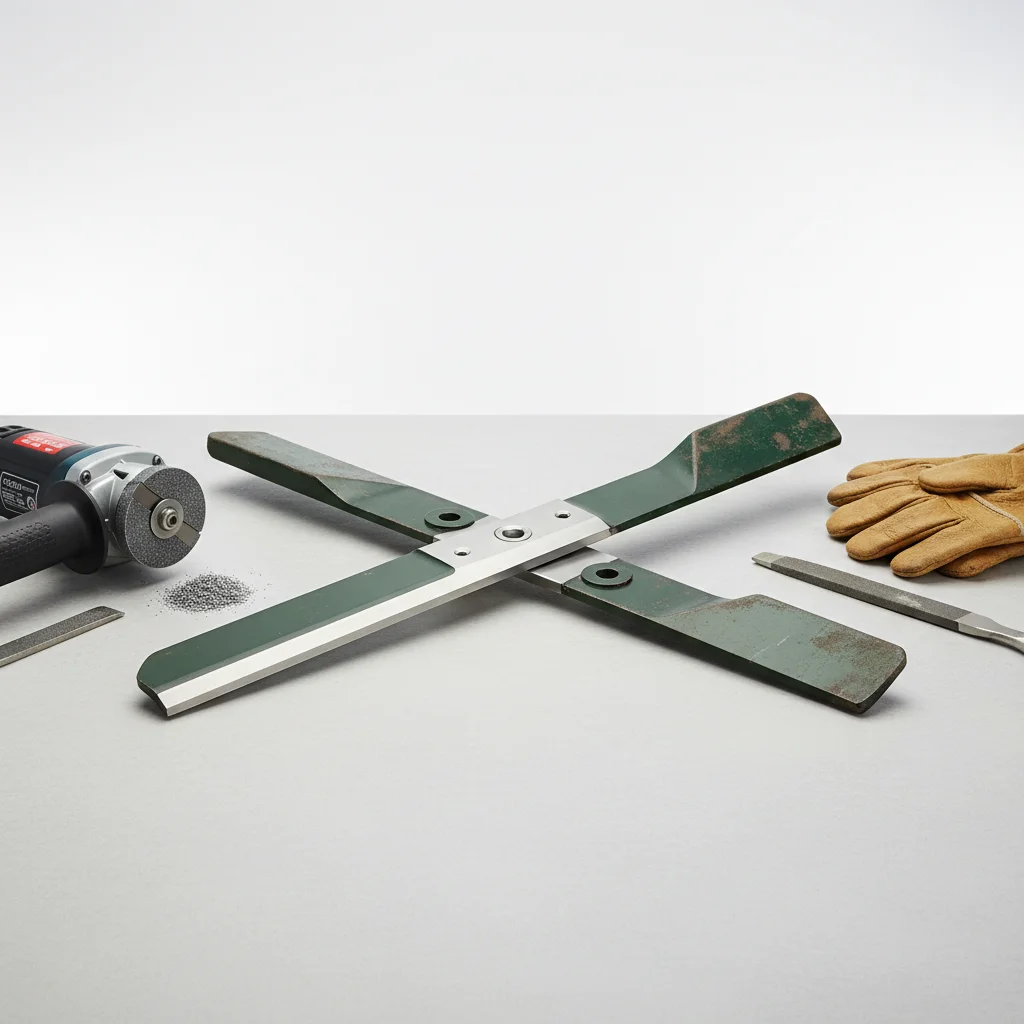
For optimal lawn health and a clean cut, sharpening your lawn mower blades every 25 hours of use or at least twice per mowing season is ideal. Dull blades tear grass rather than cut it cleanly, leading to a ragged appearance and making your lawn more susceptible to disease. Regular sharpening ensures your mower operates efficiently, providing a healthier, more attractive lawn with less effort.
Why Regular Blade Sharpening Matters
Regular sharpening is crucial for several reasons. Firstly, a sharp blade makes a clean cut, which helps the grass recover quickly and reduces the risk of fungal infections. Secondly, sharp blades require less power from your mower’s engine, leading to better fuel efficiency for gas models and extended battery life for electric ones. This also reduces wear and tear on the engine, potentially extending the lifespan of your equipment. Neglecting blade maintenance can result in a stressed lawn and a less efficient mowing experience. For best lawn mower roundups on this site.
Signs Your Blades Need Sharpening
It’s easy to tell when your lawn mower blades are dull. The most obvious sign is a ragged, torn appearance on the tips of your grass blades after mowing, rather than a crisp, even cut. You might also notice your mower struggling more than usual, or leaving behind uneven patches. If you see brown or yellow tips on your grass a day or two after mowing, it’s a strong indicator that your blades are past due for sharpening. Inspecting the blade edges themselves for nicks, dents, or a rounded appearance will also confirm the need for maintenance.
The Sharpening Process: DIY vs. Professional
|
Our Picks for the Best Lawn Mower in 2026
As an Amazon Associate I earn from qualifying purchases.
|
||
| Num | Product | Action |
|---|---|---|
| 1 | LawnMaster MEB1114K Electric Corded Lawn Mower 15-Inch 11AMP |

|
| 2 | Litheli 13.4inch Electric Lawn Mower Cordless,Grass Cutter Machine for 2600 Sq.Ft.Lawnmower with Brushless Motor, 8 Gallon Capacity, Cutting Height from 1 to 2.5 in, Includes 2X4.0 Ah Battery. |
|
| 3 | Greenworks 24V 13" Brushless (Push) Cordless Lawn Mower, 4.0Ah Battery and Charger |
|
| 4 | CRAFTSMAN Electric Push Lawn Mower, 20-Inch Deck, Corded, Powerful 13-AMP Motor, 6 Setting Height Adjustment, Winged Blades, 3 in 1 Bagging, Mulching and Discharge (CMEMW213) |
|
| 5 | VEVOR Push Lawn Sweeper, 21inch Leaf & Grass Collector, Heavy Duty Thickened Steel Durable to Use with Large Capacity 3.5 cu. ft. Mesh Collection Hopper Bag, 2 Spinning Brushes |
|
| 6 | Litheli 40V (2 x 20V) 16" Electric Lawn Mower Cordless, Brushless Lawnmower with 6-Height Adjust, Portable & Lightweight Push Battery Powered Lawn Mower (2 * 4.0AH Batteries Included) |
|
| 7 | Litheli 20V 13" Cordless Lawn Mower, Electric Lawn Mowers for Garden, Yard and Farm, 5 Heights, with Brushless Motor, 4.0Ah Battery & Charger Included |
|
| 8 | LawnMaster MEB1216K Electric Lawn Mower 16-Inch 12AMP |
|
| 9 | Litheli Electric Lawn Mower Cordless,Grass Cutter Machine for 1300 Sq.Ft.Lawnmower with Motor,13.2 in Cutting Width,8 Gallon Capacity,Cutting Height from 1 to 2.5 in with 4.0A Battery |
|
| 10 | American Lawn Mower Company 50514 14" 11-Amp Corded Electric Lawn Mower, Black |
|
Sharpening lawn mower blades can be a DIY task if you have the right tools and a bit of mechanical aptitude. You’ll need a wrench to remove the blade, a vise to secure it, and a file or grinder to sharpen the edge. It’s vital to maintain the original blade angle and ensure the blade is balanced after sharpening to prevent excessive vibration. For those uncomfortable with DIY, many hardware stores or lawn mower repair shops offer professional sharpening services. This can be a convenient option, especially if your blades are heavily damaged or you lack the necessary equipment.
Maintaining Blade Balance After Sharpening
After sharpening, balancing the blade is just as important as the sharpness itself. An unbalanced blade can cause severe vibrations, leading to premature wear on your mower’s engine, bearings, and other components. It can also result in an uneven cut and make the mower uncomfortable to operate. You can check the balance using a blade balancer tool, which typically involves hanging the blade on a central pivot. If one side dips, you’ll need to remove a small amount of metal from the heavier side until the blade rests horizontally. This step is critical for safe and effective mowing.
Tips for Extending Blade Life
- Avoid mowing over rocks, roots, and other hard objects that can nick or bend your blades.
- Clean your blades regularly to remove caked-on grass and debris, which can affect balance and cutting performance.
- Store your mower in a dry place to prevent rust on the blades.
- Consider having a spare set of blades on hand so you can easily swap them out when one set needs sharpening.
- Always wear appropriate safety gear, including gloves and eye protection, when handling or sharpening blades.
By following these guidelines, you can significantly extend the life of your lawn mower blades and ensure your lawn always looks its best. Regular maintenance not only improves the aesthetic of your yard but also contributes to the longevity and efficiency of your mowing equipment.
Get our weekly buyer guide
Practical specs, not advice. Unsubscribe anytime.
