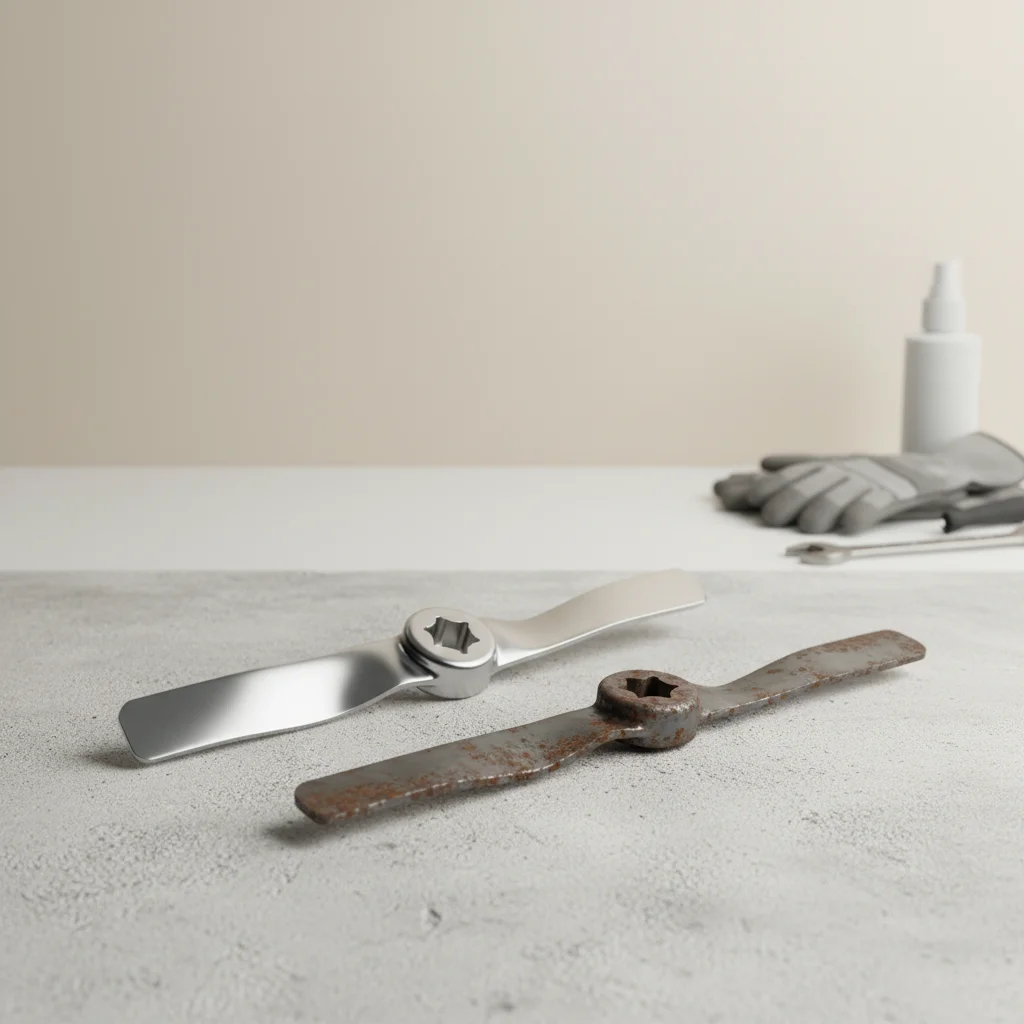
Knowing when to replace your lawn mower blades is crucial for maintaining a healthy, well-manicured lawn. Generally, you should plan to replace your lawn mower blades at least once a year, or every 25 hours of mowing, whichever comes first. However, this frequency can increase depending on how often you mow, the type of terrain, and if you frequently encounter obstacles like rocks or thick branches.
Signs Your Lawn Mower Blades Need Replacing
Several clear indicators suggest it’s time for new blades. The most obvious sign is an uneven or ragged cut on your grass. If your lawn looks torn or frayed after mowing, rather than cleanly sliced, your blades are likely dull or damaged. Another sign is increased vibration from your mower; bent or unbalanced blades can cause excessive shaking, which not only affects cut quality but can also damage your mower’s engine over time. Visually inspect your blades for nicks, dents, or significant wear along the cutting edge. Even minor damage can impact performance. For explore our lawn mower reviews on this site.
Factors Influencing Blade Lifespan
The lifespan of your lawn mower blades is influenced by several factors. Mowing frequency plays a significant role; the more often you mow, the faster your blades will wear down. The type of grass you cut also matters; tougher, thicker grasses can dull blades more quickly than finer varieties. Furthermore, the terrain you mow over is critical. Mowing over sandy soil, gravel, or areas with hidden debris will accelerate blade wear and damage. Always try to clear your lawn of obstacles before mowing to extend blade life.
- Frequent mowing (more than once a week)
- Mowing tough or thick grass types
- Encountering obstacles like rocks or branches
- Mowing over sandy or gravelly areas
- Lack of regular cleaning and inspection
The Benefits of Timely Blade Replacement
|
Our Picks for the Best Lawn Mower in 2026
As an Amazon Associate I earn from qualifying purchases.
|
||
| Num | Product | Action |
|---|---|---|
| 1 | American Lawn Mower Company 50514 14" 11-Amp Corded Electric Lawn Mower, Black |

|
| 2 | Litheli 13.4inch Electric Lawn Mower Cordless,Grass Cutter Machine for 2600 Sq.Ft.Lawnmower with Brushless Motor, 8 Gallon Capacity, Cutting Height from 1 to 2.5 in, Includes 2X4.0 Ah Battery. |
|
| 3 | Litheli Electric Lawn Mower Cordless,Grass Cutter Machine for 1300 Sq.Ft.Lawnmower with Motor,13.2 in Cutting Width,8 Gallon Capacity,Cutting Height from 1 to 2.5 in with 4.0A Battery |
|
| 4 | LawnMaster MEB1114K Electric Corded Lawn Mower 15-Inch 11AMP |
|
| 5 | Litheli 20V 13" Cordless Lawn Mower, Electric Lawn Mowers for Garden, Yard and Farm, 5 Heights, with Brushless Motor, 4.0Ah Battery & Charger Included |
|
| 6 | CRAFTSMAN Electric Push Lawn Mower, 20-Inch Deck, Corded, Powerful 13-AMP Motor, 6 Setting Height Adjustment, Winged Blades, 3 in 1 Bagging, Mulching and Discharge (CMEMW213) |
|
| 7 | Greenworks 24V 13" Brushless (Push) Cordless Lawn Mower, 4.0Ah Battery and Charger |
|
| 8 | LawnMaster MEB1216K Electric Lawn Mower 16-Inch 12AMP |
|
| 9 | Litheli 40V (2 x 20V) 16" Electric Lawn Mower Cordless, Brushless Lawnmower with 6-Height Adjust, Portable & Lightweight Push Battery Powered Lawn Mower (2 * 4.0AH Batteries Included) |
|
| 10 | VEVOR Push Lawn Sweeper, 21inch Leaf & Grass Collector, Heavy Duty Thickened Steel Durable to Use with Large Capacity 3.5 cu. ft. Mesh Collection Hopper Bag, 2 Spinning Brushes |
|
Replacing your lawn mower blades on schedule offers numerous benefits. First and foremost, it ensures a cleaner, healthier cut for your lawn. Sharp blades make precise cuts, which helps the grass recover faster and reduces the risk of disease. Dull blades tear the grass, leaving it vulnerable to pests and infections. Secondly, new blades improve your mower’s efficiency. Sharp blades require less effort from the engine, leading to better fuel economy (for gas mowers) or longer battery life (for electric mowers). This also reduces strain on the engine, potentially extending the life of your entire machine. Finally, proper blade maintenance contributes to a safer mowing experience by reducing vibrations and the risk of blade-related accidents.
When selecting replacement blades, consider the type of mowing you typically do. Standard blades are great for general cutting, while mulching blades are designed to finely chop grass clippings and return nutrients to your lawn. High-lift blades create more suction, which is beneficial for bagging clippings. Always refer to your mower’s manual for the correct blade specifications and ensure you purchase blades compatible with your specific model. Investing in quality blades, such as those found at, can make a noticeable difference in your lawn’s appearance and your mower’s performance.
DIY Blade Replacement vs. Professional Service
Replacing lawn mower blades can be a DIY task for many homeowners, provided they have the right tools and follow safety precautions. Essential tools include a wrench, a blade removal tool or wood block to secure the blade, and heavy-duty gloves. Always disconnect the spark plug (for gas mowers) or remove the battery (for electric mowers) before attempting any maintenance. If you’re uncomfortable with the process, or if your blades are severely damaged or difficult to remove, it’s always best to consult a professional. A local service center can ensure the blades are replaced correctly and balanced properly, preventing future issues. For those who prefer to tackle it themselves, a wide selection of replacement blades and tools can be found at.
Get our weekly buyer guide
Practical specs, not advice. Unsubscribe anytime.

I used to just sharpen my blades until they were tiny, but after reading about the importance of a clean cut, I decided to actually replace them. My lawn looks so much better now, no more ragged edges! I’m definitely going to stick to the annual replacement schedule, it’s worth it for the healthier grass.
Great advice on checking for uneven cuts. I noticed my grass looking a bit torn lately and thought it was just my technique. Turns out, my blades were pretty dull. Replaced them last weekend and the difference is night and day. My only minor complaint is that I wish I’d done it sooner!
I’ve been noticing a lot more vibration from my mower lately, and it’s good to know that could be a sign of bent blades. I checked mine and they do look a bit off. I’m going to replace them, but I was hoping for a bit more detail on how to balance new blades myself. Still, helpful to know the cause.
I always thought I could just sharpen my blades indefinitely, but the point about replacing them every 25 hours of mowing really hit home. I mow a large property, so that’s more frequent than I realized. My lawn is looking much healthier since I started replacing them more regularly.