The season is upon us, and the grass is calling for a trim, but your trusty gas lawn mower refuses to roar to life. Few things are as frustrating as a mower that won’t start when you’re ready to tackle yard work. Before you resign yourself to a shaggy lawn or an expensive trip to the repair shop, understanding the common culprits and quick troubleshooting steps can save you time, money, and a lot of headaches. This comprehensive guide will walk you through diagnosing and fixing the most frequent reasons your gas lawn mower won’t start, getting you back to a pristine lawn in no time.
Understanding Why Your Gas Lawn Mower Refuses to Start
A gas lawn mower relies on a precise mix of fuel, air, and spark to ignite its engine. When any of these fundamental elements are compromised, your mower will struggle or outright fail to start. Over time, components can wear out, fuel can degrade, and filters can become clogged, all contributing to starting problems. Identifying the root cause is the first step toward a quick and effective fix.
The most frequent issues typically involve the fuel system, ignition system, or air intake. Stale or contaminated fuel is a primary offender, as gasoline can degrade in as little as 30 days, forming varnish and gum that clog vital passages. Similarly, a dirty or damaged spark plug cannot produce the strong spark needed for combustion. Obstructions in the air filter starve the engine of oxygen, while a clogged carburetor prevents the proper fuel-air mixture from reaching the engine. Sometimes, even simple safety mechanisms can prevent an engine from turning over.
Step-by-Step Troubleshooting for Quick Fixes
When your gas lawn mower refuses to start, a methodical approach to troubleshooting can pinpoint the problem quickly. Start with the simplest checks and gradually move to more complex ones. Always ensure the mower is on a flat, stable surface and the spark plug wire is disconnected before performing any inspections or repairs to prevent accidental starting.
Check Your Fuel: Freshness and Level
The most common reason a gas mower won’t start is often related to its fuel. Gasoline degrades over time, especially when mixed with ethanol, leading to gum and varnish deposits that can block the carburetor and fuel system. Begin by checking the fuel tank.
First, ensure there’s enough gas. If the tank is nearly empty, refill it with fresh, high-quality gasoline. If the fuel has been sitting for weeks or months, it’s likely stale. Old fuel often appears darker or has a sour smell. If you suspect stale fuel, completely drain the old gas into an approved container and replace it with fresh fuel. Using a fuel stabilizer in fresh gas can help prevent future degradation, especially during storage. Also, check the fuel filter, if your mower has one, as a clogged filter can restrict fuel flow to the engine. Replace it if it appears dirty or blocked.
Inspect and Service the Spark Plug
The spark plug is crucial for igniting the fuel-air mixture. A dirty, fouled, or damaged spark plug can prevent your engine from firing. This component must be clean to ignite the engine properly.
To inspect, carefully remove the spark plug cap and then use a spark plug wrench to unscrew the plug. Examine it for signs of carbon buildup, corrosion, or damage to the electrode. If it’s dirty, clean it with a wire brush and a bit of carburetor cleaner. If the plug looks worn, has cracked porcelain, or the electrodes are burnt, it’s best to replace it. Spark plugs are inexpensive and easy to change. Before reinstalling, check the gap using a feeler gauge to ensure it matches your mower’s specifications, typically found in your owner’s manual. Reinstall carefully, tightening it snugly but not excessively.
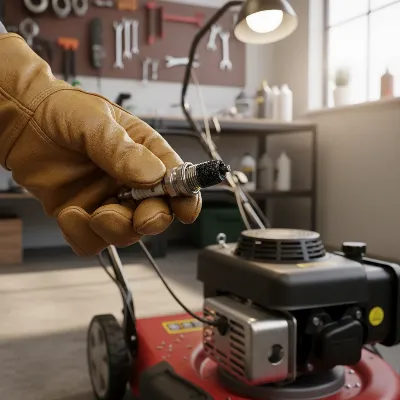 Technician inspecting a gas lawn mower spark plug for wear and debris in a garage.
Clear the Air Filter for Optimal Flow
Just like us, an engine needs to breathe. A clogged air filter restricts the amount of air reaching the carburetor, leading to a poor fuel-air mixture and preventing the engine from starting. An obstructed filter makes it difficult or impossible for combustion to occur.
Locate your mower’s air filter, usually housed in a plastic casing near the engine. Open the case and remove the filter. If it’s a foam filter, you might be able to wash it with soap and water, letting it dry completely before re-oiling (if required). Paper filters, however, should be replaced if they are dirty or clogged. Hold the filter up to the light; if you can’t see light through it, it’s definitely time for a replacement. A clean air filter ensures your engine gets the oxygen it needs to start and run efficiently.
Address Carburetor Issues
The carburetor is responsible for mixing air and fuel in the correct proportions before it enters the engine. If it’s clogged or malfunctioning, your mower won’t get the proper mixture, making starting difficult or impossible. This is a common issue if old fuel has been left in the tank.
If your mower cranks but won’t start, or starts briefly and then stalls, the carburetor might be the culprit. A common quick fix is to gently tap the side of the carburetor with a wrench. This can sometimes dislodge minor clogs. For a more thorough cleaning, you might need to remove the carburetor, disassemble it, and clean its components with a specialized carburetor cleaner. Spray all passages to ensure they are clear of gum and varnish. Reassembling and reinstalling the carburetor requires precision; if you’re uncomfortable with this, consider professional help.
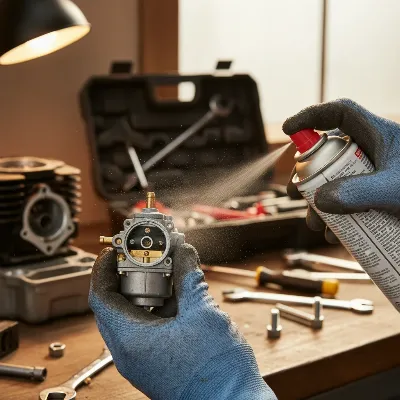 Hands cleaning a gas lawn mower carburetor with spray in a repair setting.
Verify Safety Mechanisms are Engaged
Modern lawn mowers are equipped with several safety features designed to prevent accidental starting or operation. If any of these are not engaged correctly, your mower simply won’t start. These include the kill switch, the operator presence control bar (often called a “bale bar” on push mowers), and sometimes a low oil shut-off sensor.
For push mowers, ensure you are holding the bale bar against the handle when attempting to start. If the bar is not fully depressed, the engine’s ignition system remains disengaged. For riding mowers, check that the parking brake is set, the blades are disengaged, and you are seated firmly in the operator’s seat. Also, ensure the kill switch is in the “run” or “on” position. Finally, check your engine’s oil level with the dipstick. Many newer models have a low oil sensor that will prevent starting if the oil level is insufficient, protecting the engine from damage.
When Basic Troubleshooting Isn’t Enough: Advanced Considerations
While most starting issues can be resolved with basic checks, some problems may require more advanced diagnostics or professional intervention. If you’ve gone through all the basic troubleshooting steps and your gas mower still won’t start, it could indicate a more complex internal engine issue.
These might include issues with the ignition coil, which provides power to the spark plug, or internal engine components like valves or compression. A compression test, for example, can reveal if the engine is losing compression, making it unable to draw in enough air and fuel to fire. Similarly, problems with the flywheel key or internal engine timing can prevent starting. Attempting these repairs without proper knowledge and tools can cause further damage. If you’re unsure or uncomfortable delving into these intricate areas, it’s always best to consult a certified small engine mechanic. They have the specialized tools and expertise to diagnose and repair deeper mechanical problems safely and efficiently.
Preventative Maintenance to Keep Your Mower Starting Strong
Consistent maintenance is key to preventing most gas lawn mower starting problems and extending the life of your equipment. A little proactive care can save you significant frustration and expense down the line. Establishing a regular maintenance routine ensures your mower is always ready for action.
Always use fresh gasoline, and if storing your mower for more than 30 days, add a high-quality fuel stabilizer to the tank. This prevents fuel degradation and the formation of clogs. Replace the spark plug at least once per season or every 25-50 hours of use, and clean or replace the air filter regularly, especially in dusty conditions. Change the engine oil annually, or according to your owner’s manual, to ensure proper lubrication and engine health. Before winter storage, run the mower until the fuel tank is empty, or add stabilizer if you prefer to leave fuel in the tank. Also, clean the mower deck thoroughly to prevent grass clippings and debris from hardening and causing future issues.
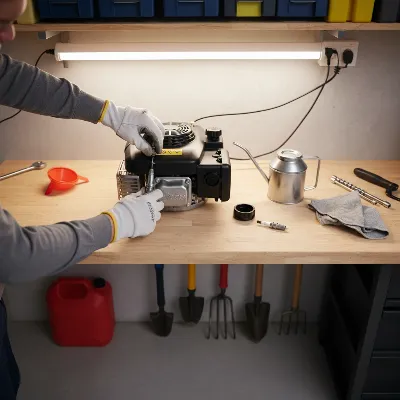 Hands performing preventative maintenance on a gas lawn mower with tools.
Conclusion
A non-starting gas lawn mower can be a source of immediate frustration, but with a systematic approach, many issues can be quickly resolved. By methodically checking the fuel, spark plug, air filter, carburetor, and safety mechanisms, you can often diagnose and fix the problem yourself. Remember, fresh fuel and a strong spark are the foundations of a healthy engine. Regular preventative maintenance, including proper fuel storage and timely component replacements, is your best defense against future starting woes. Empower yourself with these troubleshooting tips, and you’ll keep your lawn mower running smoothly and your lawn looking its best.
What are some unusual starting issues you’ve encountered with your gas lawn mower, and how did you resolve them?
Frequently Asked Questions
Why does my gas lawn mower only run for a few seconds then stops?
This often points to a fuel delivery problem. It could be stale fuel, a partially clogged fuel filter, or a dirty carburetor that isn’t allowing a consistent flow of fuel to the engine. Check these components and ensure they are clean and functioning correctly.
What should I check first if my lawn mower won’t start?
Always start by checking the fuel supply. Ensure there is enough fresh gasoline in the tank and that the fuel lines are not clogged. If the fuel looks old or contaminated, drain it and refill with fresh gas.
Can old gas really prevent a lawn mower from starting?
Yes, absolutely. Gasoline can begin to degrade in as little as 30 days, especially if it contains ethanol. This breakdown creates gum and varnish deposits that can clog the carburetor and fuel lines, preventing the engine from starting.
How often should I replace my lawn mower’s spark plug?
It is generally recommended to replace your gas lawn mower’s spark plug at least once per season, or every 25 to 50 hours of operation. Regular replacement ensures a strong, consistent spark for reliable ignition.
My mower’s engine turns over but won’t catch. What does this mean?
If your engine turns over but doesn’t start, it typically indicates a problem with the fuel or spark. The carburetor might be clogged, the fuel could be stale, or the spark plug might not be providing the necessary spark to ignite the fuel-air mixture. Also, check the choke setting.
Is it necessary to drain the fuel before storing my lawn mower for winter?
It is highly recommended to either drain the fuel completely or add a fuel stabilizer to fresh gasoline before storing your mower for the winter. This prevents fuel degradation and gumming up the fuel system, which is a major cause of starting issues in the spring.
Get our weekly buyer guide
Practical specs, not advice. Unsubscribe anytime.
