There’s nothing quite as frustrating as finishing your lawn mowing, only to look back and see unsightly clumps of grass scattered across your otherwise manicured yard. These messy piles not only detract from your lawn’s aesthetic appeal but can also suffocate the healthy grass underneath, hindering its growth and inviting disease. As someone who has spent over a decade meticulously tending to every type of lawn mower, from push models to robotic marvels, I understand the nuances of what causes this common problem and, more importantly, how to prevent it. This comprehensive guide will equip you with the knowledge and practical strategies to ensure your lawn always looks flawlessly smooth and free of grass clumps.
Understanding Why Your Lawn Mower Leaves Grass Clumps
To effectively combat grass clumping, we must first understand its root causes. Often, it’s not a single issue but a combination of factors working against your efforts to achieve that perfect cut. Identifying these culprits is the first step towards a pristine lawn.
One of the most frequent reasons for grass clumping is mowing wet grass. When grass blades are damp from dew, rain, or irrigation, they become heavier and stickier. As your mower cuts through them, these wet clippings tend to cling together and to the underside of the mower deck, rather than being dispersed evenly across the lawn. This buildup quickly forms dense clumps that are then discharged in concentrated piles.
Another significant factor is cutting off too much grass at once. If your grass has become overgrown, attempting to cut it back to its desired height in a single pass will overwhelm your mower. The sheer volume of long clippings has nowhere to go, leading to blockages and, inevitably, clumps. This is a common mistake that puts undue strain on your equipment and your lawn.
Dull mower blades are silent saboteurs of a clean cut. A sharp blade cleanly severs each grass blade, promoting quick healing and even distribution of clippings. In contrast, dull blades tear and shred the grass, producing larger, irregular clippings that are more prone to sticking together and clumping. This also reduces the efficiency of your mower’s airflow, which is crucial for proper clipping dispersal.
A clogged mower deck is a breeding ground for clumps. Over time, grass clippings, dirt, and debris can accumulate on the underside of the deck. This buildup restricts airflow, preventing the finely cut grass from circulating properly and being discharged evenly. Instead, the clippings get trapped, compact, and are then released in large, wet wads.
Furthermore, mowing too fast can contribute to clumping. While it might seem like a time-saver, a high ground speed doesn’t give your mower blades enough time to process and disperse the clippings effectively. Similarly, operating your mower with the engine not at full throttle reduces the blade’s rotational speed, diminishing the necessary lift and airflow for clean cutting and proper discharge.
While often related to overall lawn health, thatch and soil issues can also indirectly exacerbate clumping. Excessive thatch can make grass grow denser and hold more moisture, which, when combined with other factors, makes clumping more likely.
Essential Practices to Eliminate Grass Clumps
Achieving a clump-free lawn is often about consistency and adopting a few fundamental best practices. These adjustments to your mowing routine can make a dramatic difference in the quality of your cut and the health of your lawn.
Mow Only When the Grass is Dry
|
Our Picks for the Best Lawn Mower in 2026
As an Amazon Associate I earn from qualifying purchases.
|
||
| Num | Product | Action |
|---|---|---|
| 1 | Litheli 40V (2 x 20V) 16" Electric Lawn Mower Cordless, Brushless Lawnmower with 6-Height Adjust, Portable & Lightweight Push Battery Powered Lawn Mower (2 * 4.0AH Batteries Included) |

|
| 2 | Litheli 20V 13" Cordless Lawn Mower, Electric Lawn Mowers for Garden, Yard and Farm, 5 Heights, with Brushless Motor, 4.0Ah Battery & Charger Included |
|
| 3 | CRAFTSMAN Electric Push Lawn Mower, 20-Inch Deck, Corded, Powerful 13-AMP Motor, 6 Setting Height Adjustment, Winged Blades, 3 in 1 Bagging, Mulching and Discharge (CMEMW213) |
|
| 4 | Litheli Electric Lawn Mower Cordless,Grass Cutter Machine for 1300 Sq.Ft.Lawnmower with Motor,13.2 in Cutting Width,8 Gallon Capacity,Cutting Height from 1 to 2.5 in with 4.0A Battery |
|
| 5 | Greenworks 24V 13" Brushless (Push) Cordless Lawn Mower, 4.0Ah Battery and Charger |
|
| 6 | American Lawn Mower Company 50514 14" 11-Amp Corded Electric Lawn Mower, Black |
|
| 7 | Litheli 13.4inch Electric Lawn Mower Cordless,Grass Cutter Machine for 2600 Sq.Ft.Lawnmower with Brushless Motor, 8 Gallon Capacity, Cutting Height from 1 to 2.5 in, Includes 2X4.0 Ah Battery. |
|
| 8 | LawnMaster MEB1114K Electric Corded Lawn Mower 15-Inch 11AMP |
|
| 9 | VEVOR Push Lawn Sweeper, 21inch Leaf & Grass Collector, Heavy Duty Thickened Steel Durable to Use with Large Capacity 3.5 cu. ft. Mesh Collection Hopper Bag, 2 Spinning Brushes |
|
| 10 | LawnMaster MEB1216K Electric Lawn Mower 16-Inch 12AMP |
|
This is arguably the most crucial rule for preventing grass clumps. Always wait for your grass to be completely dry before mowing. Wet grass is heavy, sticky, and far more likely to clog your mower deck and clump up. Even if the surface appears dry, deep moisture can still be present after rain or heavy dew. For best results, mow in the late morning or early evening once the dew has evaporated and the grass has had ample time to dry out. This allows the blades to be cut cleanly and dispersed efficiently.
Adhere to the One-Third Rule
To avoid overwhelming your mower and producing large clippings, never remove more than one-third of the grass blade’s total length in a single mowing session. This “one-third rule” ensures that clippings are short enough to decompose quickly and evenly, returning valuable nutrients to the soil without forming clumps. If your grass has grown particularly tall, it’s better to make multiple passes, gradually reducing the height over a few days, rather than attempting to cut it all at once. This approach also reduces stress on your lawn, promoting healthier growth.
Keep Your Mower Blades Razor Sharp
Sharp blades are fundamental to a clean, clump-free cut. A dull blade tears the grass, leading to ragged ends that brown quickly and clippings that are more prone to sticking together. Regular sharpening ensures a precise cut, which helps clippings become finer and disperse more effectively. Aim to sharpen your mower blades after every 20 to 25 hours of operation, or at least once per mowing season for residential users. You’ll notice an immediate improvement in your lawn’s appearance and the absence of clumps.
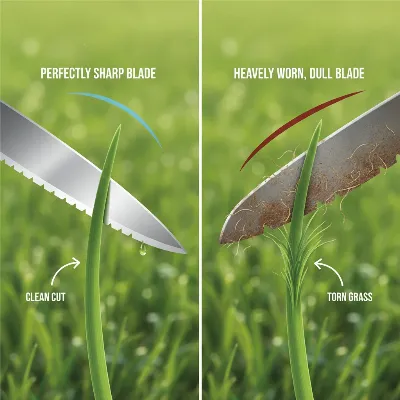 Illustration comparing a sharp lawn mower blade to a dull, jagged blade, highlighting the difference in cutting quality for preventing grass clumps.
Maintain a Clean Mower Deck
A clean mower deck is vital for proper airflow and effective clipping dispersal. Grass clippings, especially when wet, can quickly build up on the underside of your mower deck, creating blockages and reducing the vacuum effect needed to lift and discharge grass. After each use, allow the mower to cool, disconnect the spark plug for safety, and then scrape away any accumulated grass, dirt, and debris from the underside of the deck using a putty knife or a stiff brush. For tougher buildup, a garden hose or a pressure washer (if your mower is designed for it, and carefully avoiding electrical components) can be used. A clean deck ensures that clippings are properly processed and scattered, preventing clumps.
Optimize Mowing Frequency and Height
Mowing frequency directly impacts grass length, which in turn affects clumping. Mowing more frequently allows you to remove less grass each time, adhering to the one-third rule and ensuring clippings are small. During peak growing seasons, this might mean mowing weekly or even every five days. Additionally, adjusting your cutting height can make a difference. Taller grass can sometimes be less prone to clumping because it allows more airflow underneath the deck. However, if the grass is too long, a higher initial cut might be necessary, followed by a lower pass a few days later. Experiment to find the optimal height that suits your grass type and conditions.
Use the Correct Mowing Speed and Engine Throttle
Resist the urge to rush your mowing. Moving your lawn mower at a medium to slow pace gives the blades adequate time to cut and process the grass clippings thoroughly, ensuring they are finely mulched and dispersed. Similarly, always operate your lawn mower at full engine throttle. This maintains the maximum blade speed, which is crucial for creating the strong airflow (lift) needed to keep clippings airborne, circulate them for finer cutting (especially with mulching mowers), and discharge them evenly without forming clumps. A slower engine speed means less blade efficiency and a higher chance of clumping.
Choosing the Right Equipment and Mowing Method
Beyond proper technique, your choice of mower and how you handle clippings also plays a significant role in preventing clumps. Different mowing methods are suited for different lawn conditions and desired outcomes.
Mulching Mowers and Blades: A Double-Edged Sword
Mulching mowers are specifically designed to cut grass clippings into tiny pieces and redistribute them back onto the lawn, where they decompose rapidly and act as natural fertilizer. This method is excellent for preventing clumps because the clippings are so fine they virtually disappear into the turf. However, mulching can be a “double-edged sword.” It works best when the grass is dry and not excessively long. If you attempt to mulch wet or overgrown grass, the mower deck can quickly become clogged, leading to severe clumping. To effectively mulch, ensure your mower has dedicated mulching blades and, ideally, a mulching kit that properly seals the discharge chute to keep clippings circulating for repeated cutting.
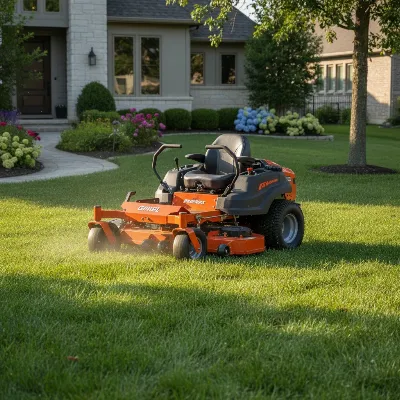 A mulching lawn mower actively cutting grass, with finely dispersed clippings visibly returning to the lawn, showcasing effective clump prevention.
Bagging for Long or Wet Grass
When faced with long or wet grass, or if you simply prefer to remove clippings, bagging is the most effective method to prevent clumping. A bagging mower collects the clippings in a catcher, removing them from your lawn entirely. This eliminates the possibility of clumps forming on the turf. While bagging means more work in emptying and disposing of clippings, it’s often the best solution for the first cut of the season when grass is typically longer, or after periods of heavy rain. It also helps prevent the spread of weeds or diseases if your lawn has such issues.
Side Discharge: When and How to Use It
Side discharge mowers eject clippings out of a chute on the side of the deck. This method is generally less prone to clumping than mulching with wet or long grass, as it simply expels the clippings rather than trying to finely chop them. However, if the grass is very long or wet, side discharge can still create “windrows” or lines of clumps along your mowing path. To mitigate this, consider making narrower passes and overlapping your rows. After side discharging, you may need to rake or blow the clippings to disperse them evenly, especially if they are heavy. Some professionals prefer side discharge for speed, but for homeowners aiming for a pristine finish, mulching or bagging often yields better results in ideal conditions.
Advanced Blades and Mower Upgrades
If you consistently struggle with clumping despite following best practices, your mower’s blades or even the mower itself might be the limiting factor. High-lift blades are designed to create a stronger airflow under the deck, standing the grass up for a cleaner cut and improving the discharge of clippings. These can be particularly effective for bagging and for dispersing clippings more widely. Some modern mowers also feature deep-domed decks that enhance airflow and recirculation, which is beneficial for mulching. While upgrading your equipment can be an investment, it might be a worthwhile consideration for persistent clumping issues on challenging lawns.
Mower Maintenance Beyond the Basics
Effective maintenance is not just about extending your mower’s lifespan; it’s a proactive measure against clumping. A well-maintained machine performs optimally, ensuring a superior cut every time.
Regular Deck Cleaning Techniques
We’ve emphasized cleaning the mower deck, but let’s delve a bit deeper into the techniques. After scraping off the bulk of the grass buildup with a putty knife, use a sturdy wire brush to scrub away any stubborn residue. For an even more thorough clean, some mowers come with a washout port – a nozzle where you can attach a garden hose, allowing water to spray and clean the underside of the deck while the blades are engaged (always follow manufacturer instructions carefully). For mowers without a washout port, tipping the mower onto its side (ensure the carburetor is facing up to prevent fuel/oil leaks, and the spark plug is disconnected) allows for direct access for cleaning. Regular and thorough deck cleaning will significantly improve airflow and reduce clumping.
Applying Non-Stick Coatings to Your Mower Deck
To further minimize grass buildup and make future cleaning easier, consider applying a non-stick coating to the underside of your clean, dry mower deck. Commercial lubricants containing Teflon, silicone, or graphite are excellent options, providing a durable, slick surface that discourages grass from sticking. For a temporary and budget-friendly solution, even non-stick cooking spray or vegetable oil can work in a pinch. Simply spray or wipe a thin, even layer across the entire underside of the deck and let it dry according to product instructions. This creates a barrier that keeps clippings from adhering, promoting smoother discharge.
Addressing Thatch and Lawn Health
Beyond the mower itself, the overall health of your lawn impacts clumping. Excessive thatch – a layer of dead grass, roots, and debris between the living grass and the soil – can create a dense, moisture-retaining mat that contributes to clumping. Dethatching your lawn periodically (typically in spring or early fall) can improve air circulation to the soil and grass roots, leading to healthier growth and better clipping dispersal. Similarly, ensure proper watering and avoid over-fertilizing, as overly lush or wet grass is more prone to clumping when cut. A healthy lawn, managed correctly, provides the ideal canvas for a clump-free mow.
Troubleshooting Common Clumping Issues
Even with the best intentions and practices, you might encounter persistent clumping. Here are a few troubleshooting tips:
If you are consistently seeing clumps despite having sharp blades and a clean deck, re-evaluate your mowing habits. Are you truly adhering to the one-third rule? Is your engine running at full throttle? Are you moving too quickly, especially in dense areas? Sometimes, slowing down and taking smaller swaths can solve the problem.
Consider the time of day you mow. While dry grass is key, avoid the hottest parts of the day when grass might be stressed. Late morning or early evening is usually ideal.
If your mower is an older model or a basic side-discharge unit, and you often mow longer grass, investing in a mulching kit or upgrading to a mower with better airflow and mulching capabilities might be the long-term solution. Sometimes, the equipment simply isn’t designed to handle certain conditions without clumping.
In cases where your lawn has significant thatch buildup, compacted soil, or other underlying health issues that contribute to clumping, professional lawn care services might offer aeration or dethatching services that can drastically improve your lawn’s condition and reduce clumping.
Conclusion
Say goodbye to frustrating grass clumps and hello to a flawlessly manicured lawn. Preventing a lawn mower from leaving unsightly piles of grass is a combination of diligent maintenance, smart mowing techniques, and understanding your equipment. By always mowing dry grass, keeping your blades sharp, maintaining a clean deck, and adhering to the one-third rule, you are well on your way to achieving that pristine finish every time. Embrace these practices, and you’ll not only enjoy a more beautiful lawn but also contribute to its overall health and vitality. What simple change will you make to your mowing routine this week to achieve a perfectly clump-free lawn?
Frequently Asked Questions
How often should I sharpen my lawn mower blades?
For most residential lawns, sharpening your mower blades once a year, typically at the start of the mowing season, is sufficient. If you mow frequently or have a large lawn, consider sharpening them every 20-25 hours of use to maintain optimal cutting performance and prevent grass clumps.
Can I really use cooking spray on my mower deck?
Yes, you can use non-stick cooking spray or even vegetable oil on a clean, dry mower deck as a temporary, budget-friendly solution to prevent grass clippings from sticking. While commercial silicone or graphite lubricants offer longer-lasting results, cooking spray can provide a quick, effective barrier.
What is the best type of blade to prevent clumping?
Mulching blades are specifically designed to cut grass clippings into very fine pieces, which helps prevent clumping by allowing them to decompose quickly back into the lawn. High-lift blades can also improve airflow and discharge, reducing clumps, especially for bagging mowers.
Does mowing pattern affect clumping?
While not the primary cause, changing your mowing pattern can help. Varying your pattern each time you mow helps distribute clippings more evenly across the lawn, preventing concentrated buildup in specific areas and encouraging better overall grass health.
What are signs my lawn has too much thatch?
Signs of excessive thatch include a spongy feel when walking on your lawn, difficulty for water or fertilizer to penetrate the soil, and a general decline in lawn health. A thatch layer thicker than half an inch usually indicates a need for dethatching to improve airflow and reduce clumping tendencies.
